Guides · Renovation
Renovating a house: from partial refurbishment to gut renovation
Redecorating, renovating, gut renovation — three words, three completely different budgets. Keep the terms straight and you will plan more realistically and negotiate better.
The terms, clearly separated
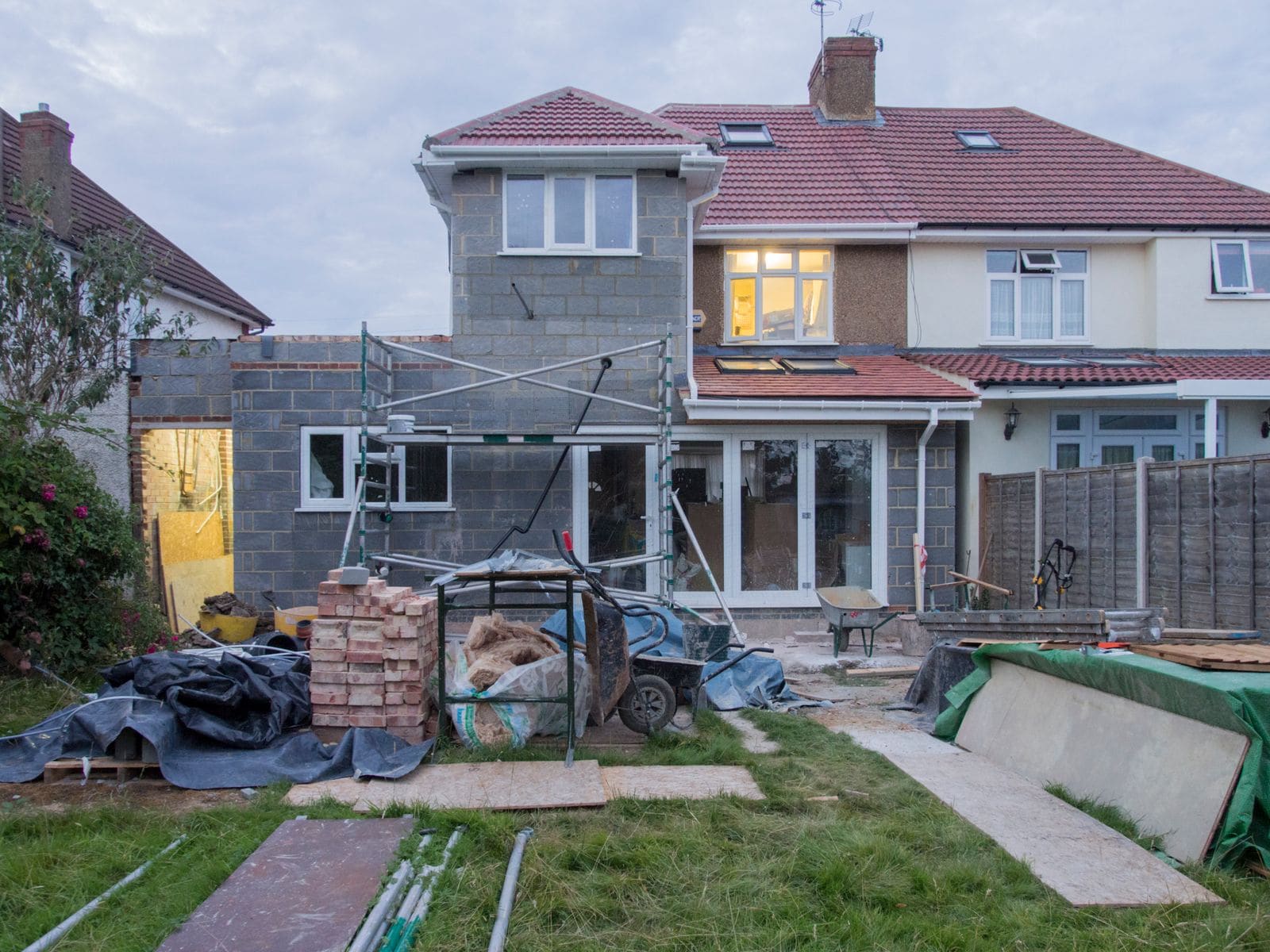
Redecorating (renovieren) renews surfaces: paint, floors, grouting. It restores the original condition. Renovating (sanieren) fixes damage and replaces components with technology behind them: roof, windows, heating, pipes, facade. Gut renovation (Kernsanierung) means: back to the load-bearing structure, everything else new. Most projects are hybrids — but every quote should state clearly which category it plays in.

The right order of trades
A renovation works from the outside in and from the top down:
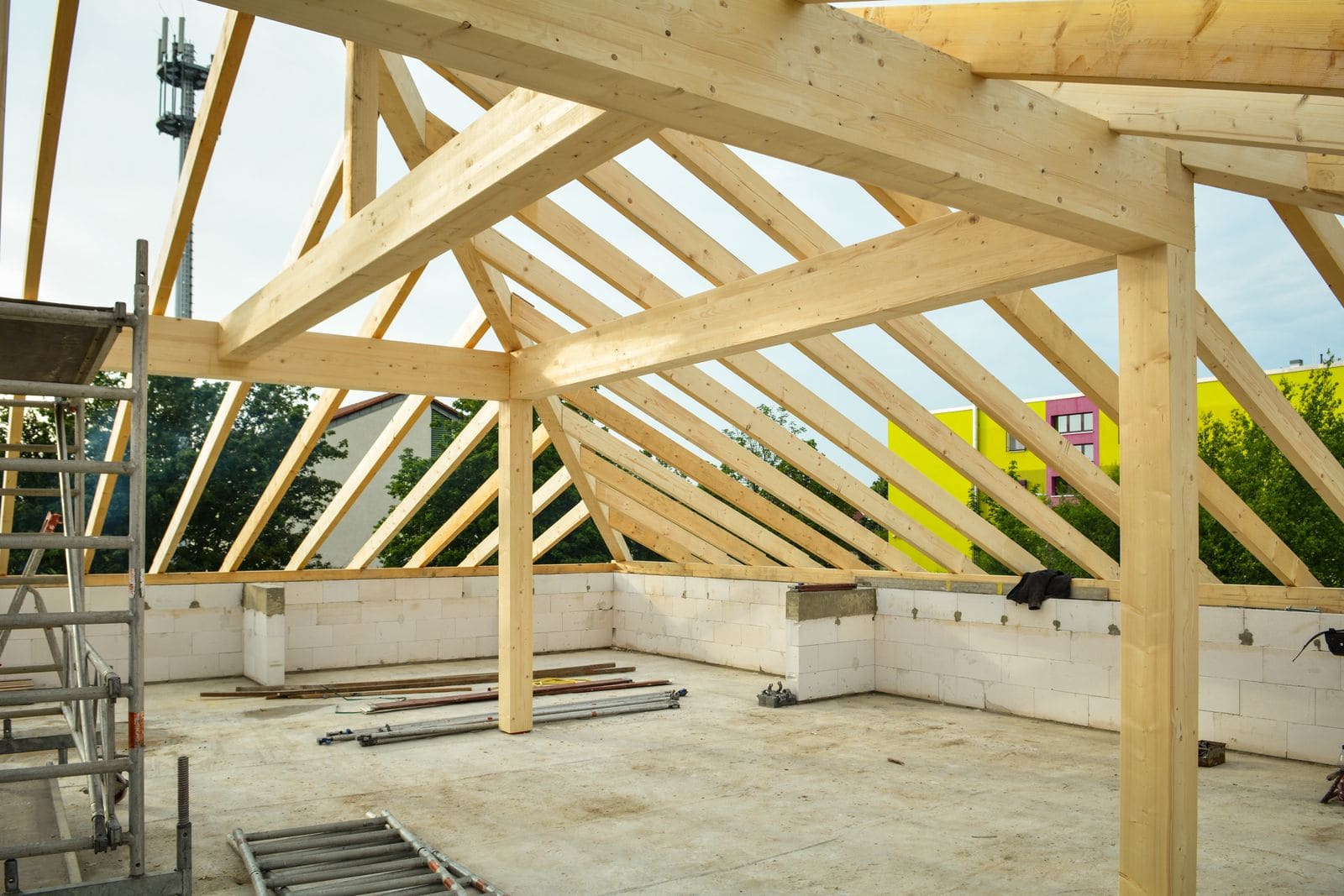
- Roof and waterproofing. As long as water gets in, every other investment is at risk.
- Building envelope. Windows, facade, insulation — as one concept, not as separate parts. Otherwise the moisture finds the coldest remaining spot.
- Building services. Heating, electrics, plumbing. Size the heating system last: after insulation the house needs less power — replace it earlier and you buy too big.
- Interior fit-out. Bathrooms, kitchen, surfaces — last, once nobody has to come through with heavy equipment anymore.
This order is why an overall concept is worth gold even if you renovate in stages: each stage builds on the previous one instead of damaging it.
Energy and subsidies

Every renovation in the Canton of Zurich involves the energy law: when replacing an oil or gas heating system, a climate-neutral solution is usually mandatory. The federal and cantonal Gebäudeprogramm pays subsidies towards insulation and heating replacement — apply before construction starts, and a GEAK Plus energy certificate is often the ticket in. And for taxes, value-preserving renovation costs are deductible, spread over several years if you wish and time the stages accordingly. The details belong with your tax advisor, the staging with me.
Gut renovation: when it pays off
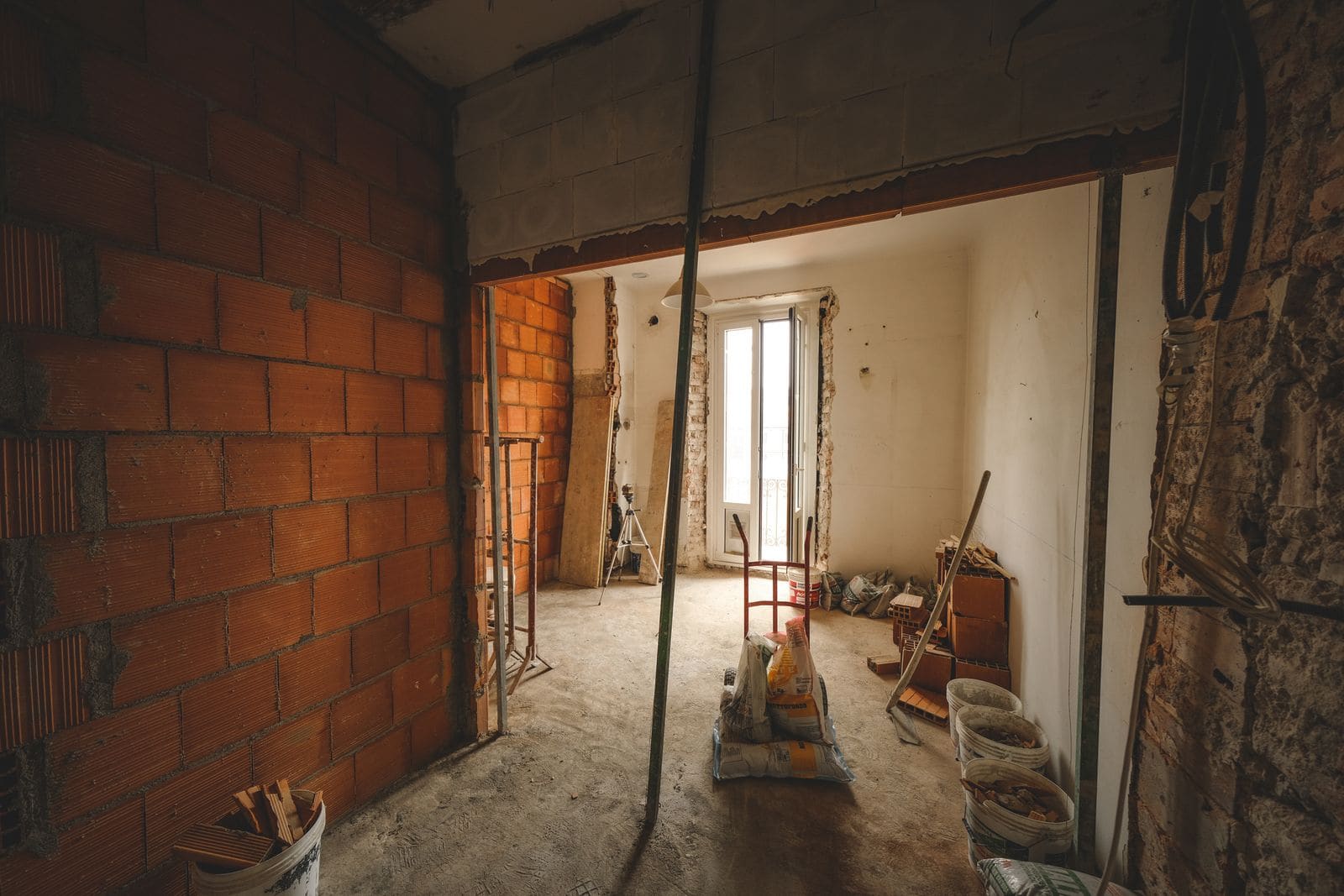
Gut renovation is the supreme discipline: CHF 2,500 to 4,000 per m², the house uninhabitable for months — and in the end a new build in old clothes, with all the qualities the existing structure brings. It pays off when location and structure are right but the systems and floor plan are from another era. It does not pay off as a sum of individual fixes without a concept: do the bathroom first, then the facade, then the wiring, and you end up paying more for less. The trade-off against demolishing and rebuilding is covered in Renovating an old house.
Frequently asked questions
What should be renovated first when the budget is tight?
Always what prevents consequential damage: roof, waterproofing, critical pipes. Then what saves energy. Last, what looks better. Unsexy, but right.
Does a renovation need a building permit?
Pure maintenance and like-for-like replacement: no. As soon as the appearance changes — different windows, a different facade, solar panels in a core zone — a permit is required. Details in the guide on building permits in the Canton of Zurich.
How do I finance a major renovation?
Usually by increasing the mortgage, since the renovation raises the building value. The bank will want to see a project with a cost estimate — one more reason to put planning before financing.
Is your house showing its age?
I will draw up a renovation concept with stages, costs and subsidies — so every franc flows in the right order. The first consultation is free and without obligation.