Guides · Conversion
Converting a farmhouse: from old beams to a new home
No building type has more character than an old farmhouse. And none demands more respect when you convert it. Understand both, and you get a home that no new build could ever be.
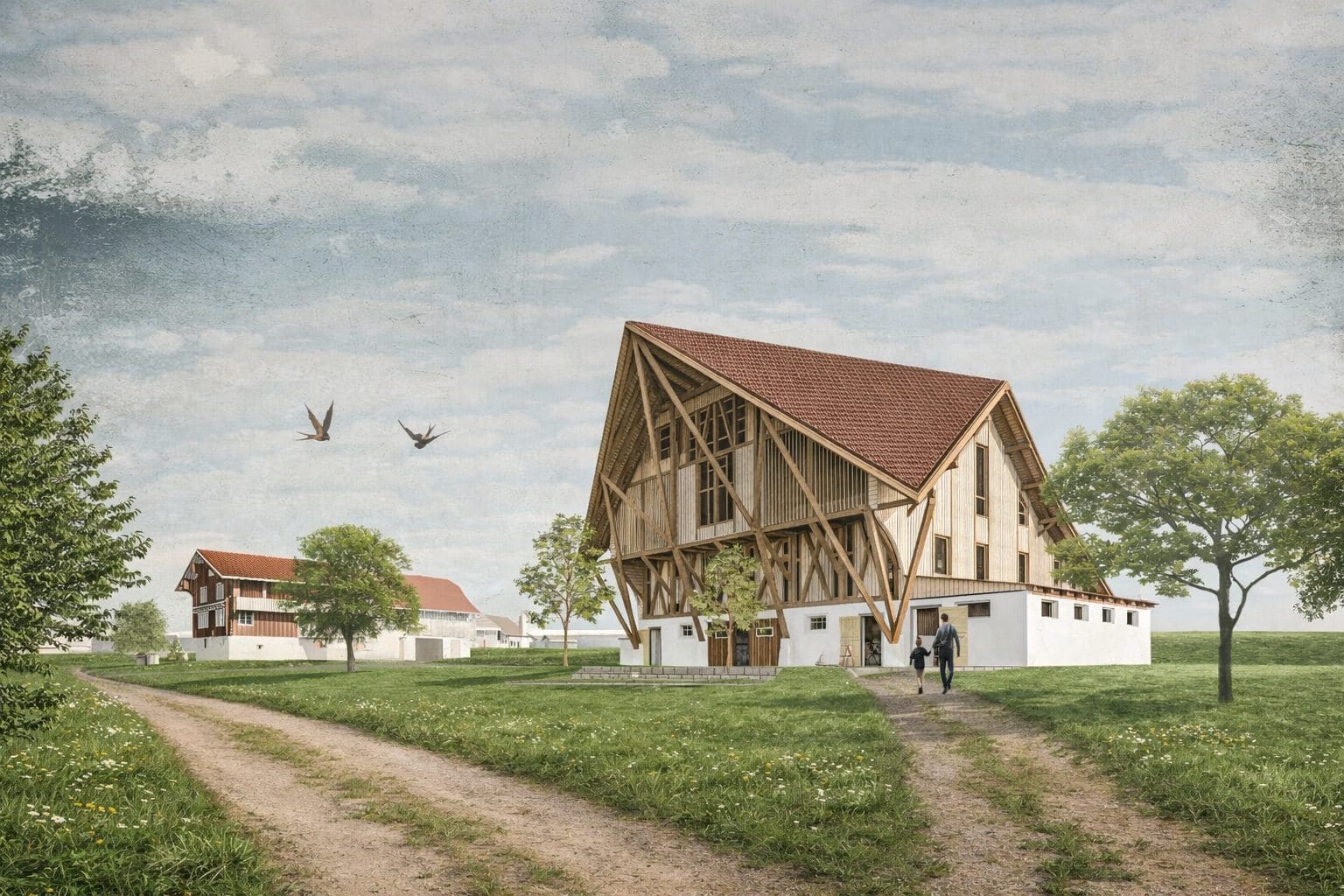
I trained as a carpenter. Old timber framing is the reason I became an architect: every beam shows you how people thought and worked a hundred years ago. In this article I'll show you what matters when converting a farmhouse — with one of our own projects as an example.
Farmhouses in the Canton of Zurich
In the Canton of Zurich many farmhouses stand in the agricultural zone. Different rules apply there than in a village centre. What was once used for farming and is now to become living space counts as a change of use outside the building zone. That is possible, but tied to conditions, and the canton has a say. Reckon on more time than for a conversion in the village.
Then there is protected status. In the Weinland and the Zurich Oberland whole village districts sit in a core zone, and many farms are on a heritage inventory. In that case the heritage office has a say. That is not a no, but it decides what is possible with the roof, windows and facade. Clarify it before you plan.
In fairness: my own barn conversion is in Giswil in the Canton of Obwalden, not in the Canton of Zurich. The questions are the same, but responsibilities and practice differ from canton to canton.
First, read the building fabric
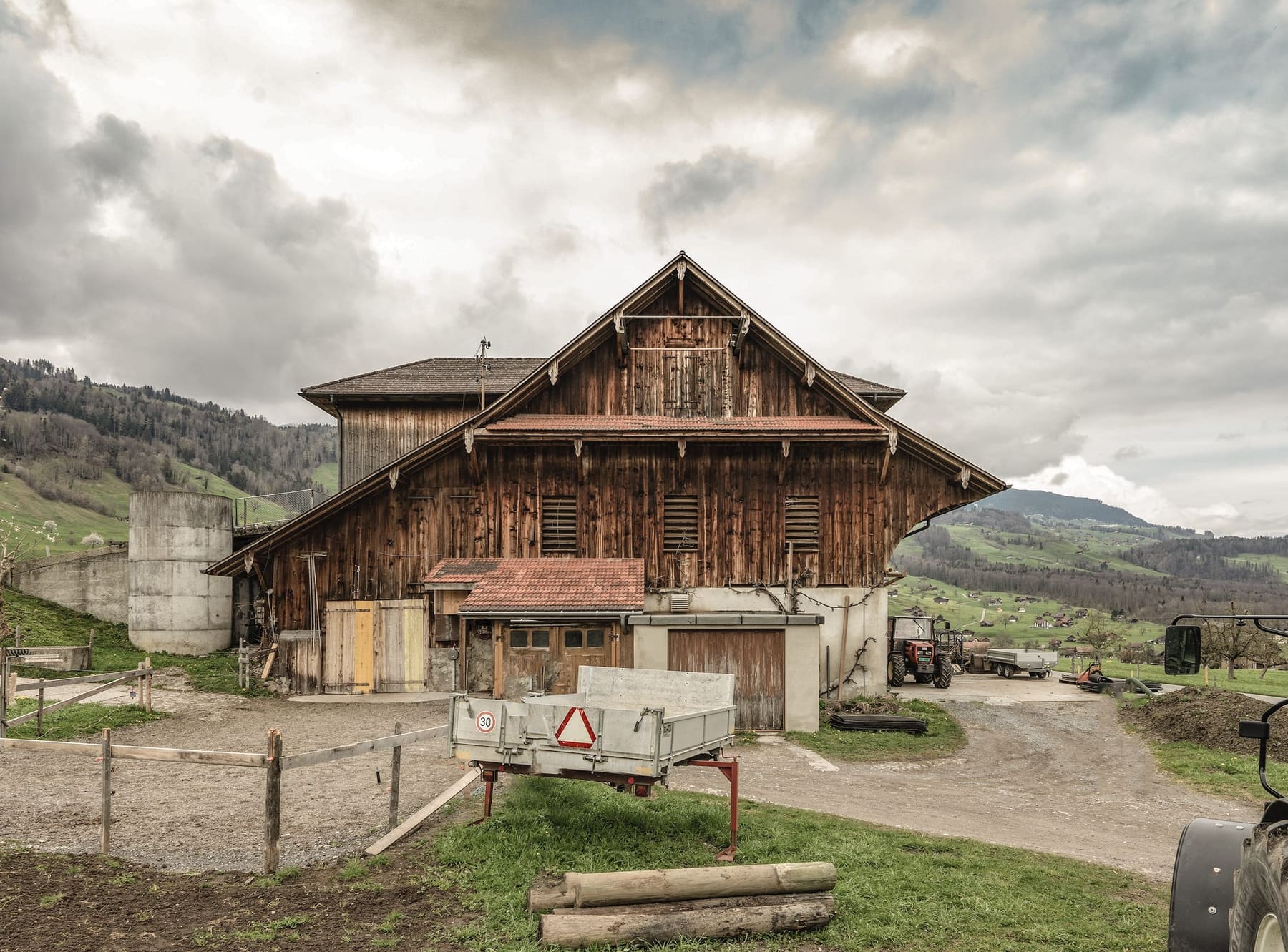
Farmhouses have grown over generations. Extended, raised, repurposed. That is both their charm and their trap: behind every panel there can be a different building period. So before any concept comes the survey: which beams carry loads, which are decorative? Where is moisture sitting in the base? And what about the foundations, which are often nothing more than fieldstones?
With timber, remember: a dark beam is not rotten, and a light one is not sound. What matters are the bearing points — where timber meets masonry and water could seep in over decades. A carpenter checks that with a hatchet, not with the eye.
Reinforcing, replacing, re-jointing: we do this work ourselves, as a carpentry business in and around Zurich — from assessment to the installed beam.
The legal questions: protection status and building zone
Is the house listed in an inventory? Many farmhouses are listed in municipal or cantonal inventories. That does not yet mean protected — but before any major intervention, it gets clarified what is worth protecting. Check this before you plan. How that procedure works is covered in the article Renovating an old house.
Is the house inside the building zone? This is the decisive question. Inside the building zone, the normal rules apply. Outside, it gets tight: the Spatial Planning Act strictly limits conversion and extension, and a barn cannot simply become living space. There is some leeway — but it is small, and it takes professionals who know the procedure.
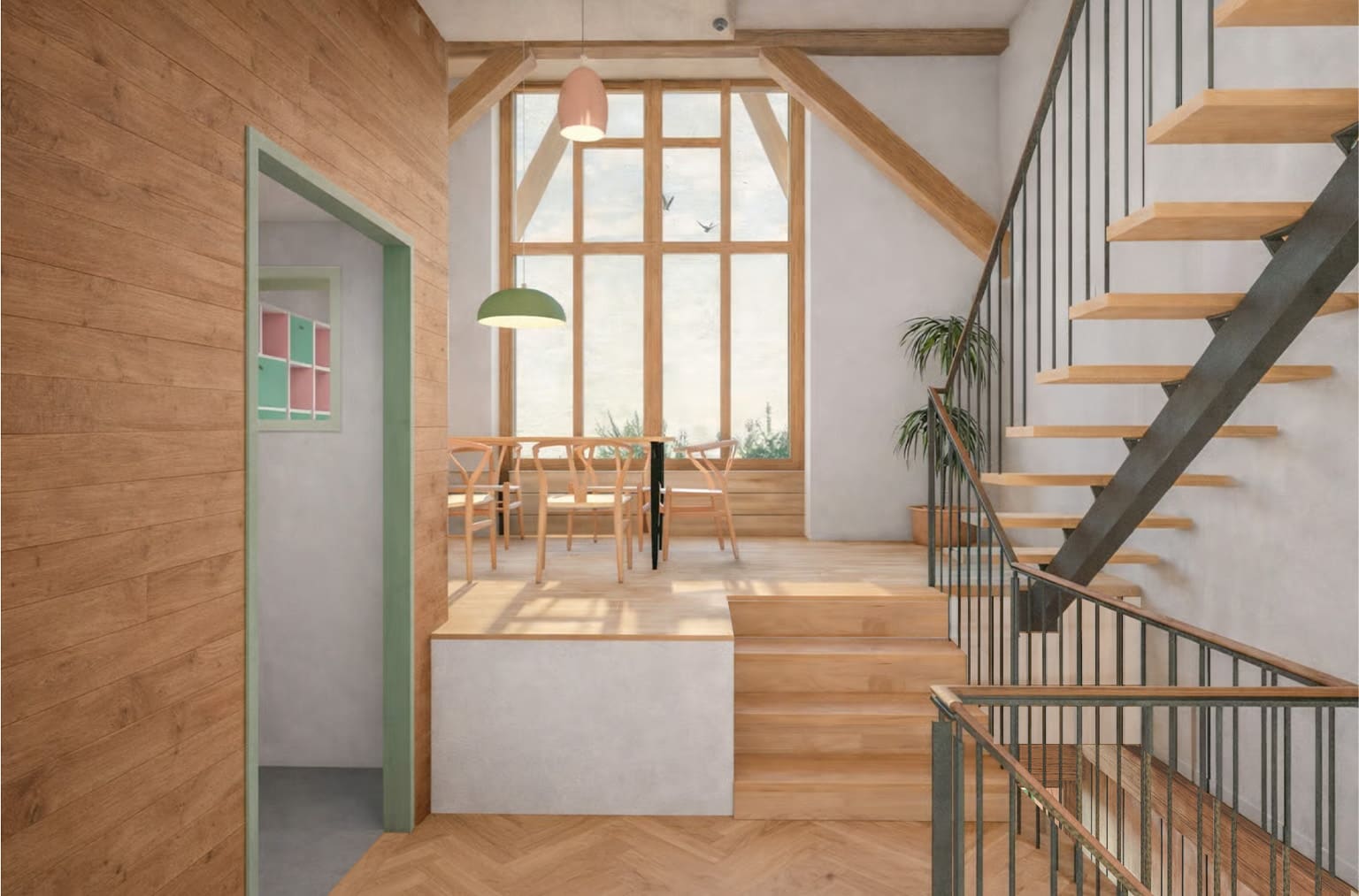
Our project in Giswil was not under heritage protection. That gave us the freedom for a new gable that faces the valley, like the surrounding houses. The shape of the old barn stayed legible, yet the house became a new one.
What does converting a farmhouse cost?
The honest answer: the range is wider than for any other building type, because the condition of the fabric determines everything. As rough guides:
| Scope | Guide price per m² |
|---|---|
| Gentle conversion of the living quarters | CHF 1,000 to 2,000 |
| Full conversion with building services and insulation | CHF 2,000 to 3,500 |
| Converting the barn section into living space | CHF 2,500 to 4,000 |
And more important than any number: a 15 percent contingency. With no other building type is it more likely that something is waiting behind the panelling.
Old and new: the attitude
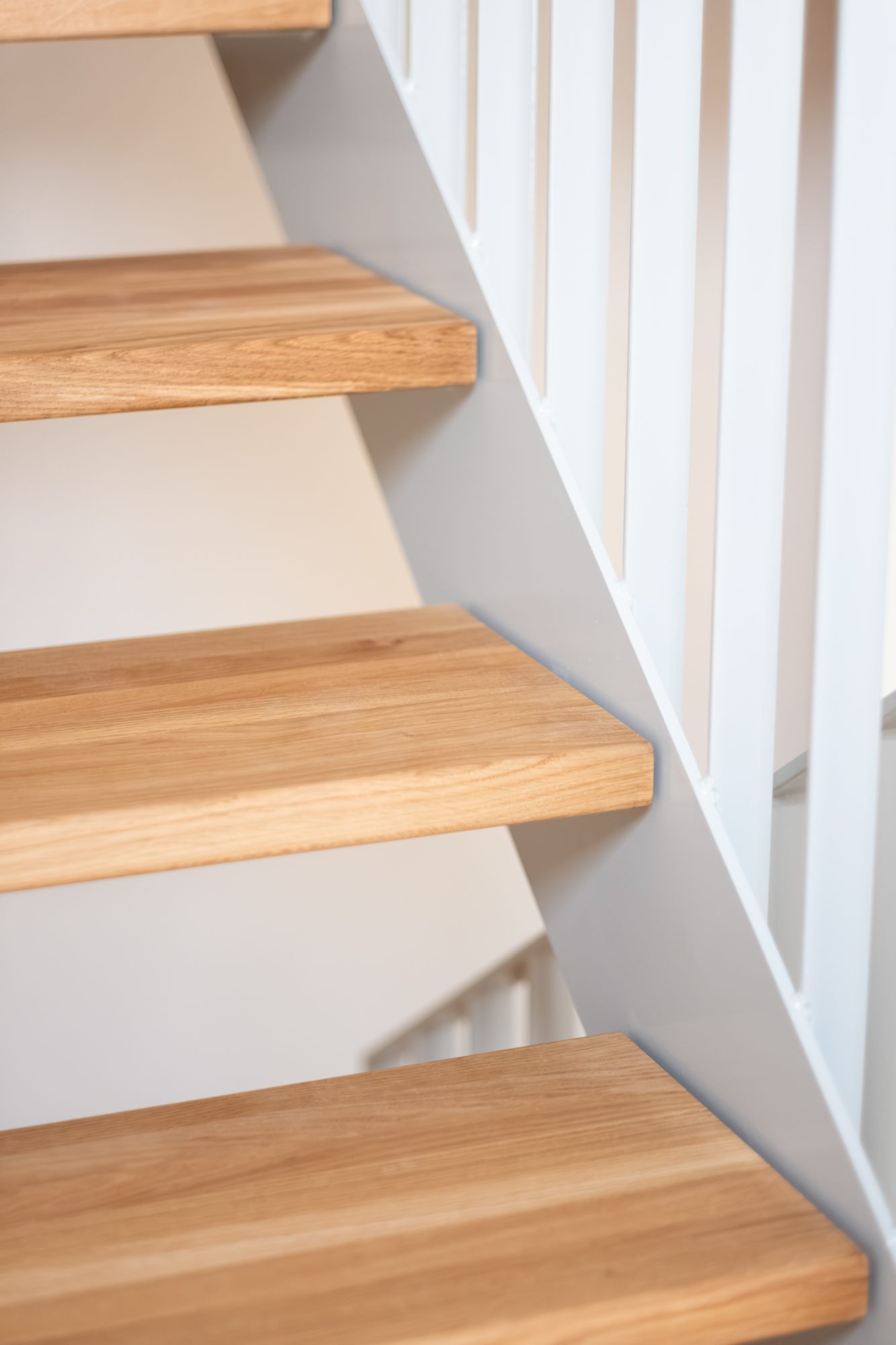
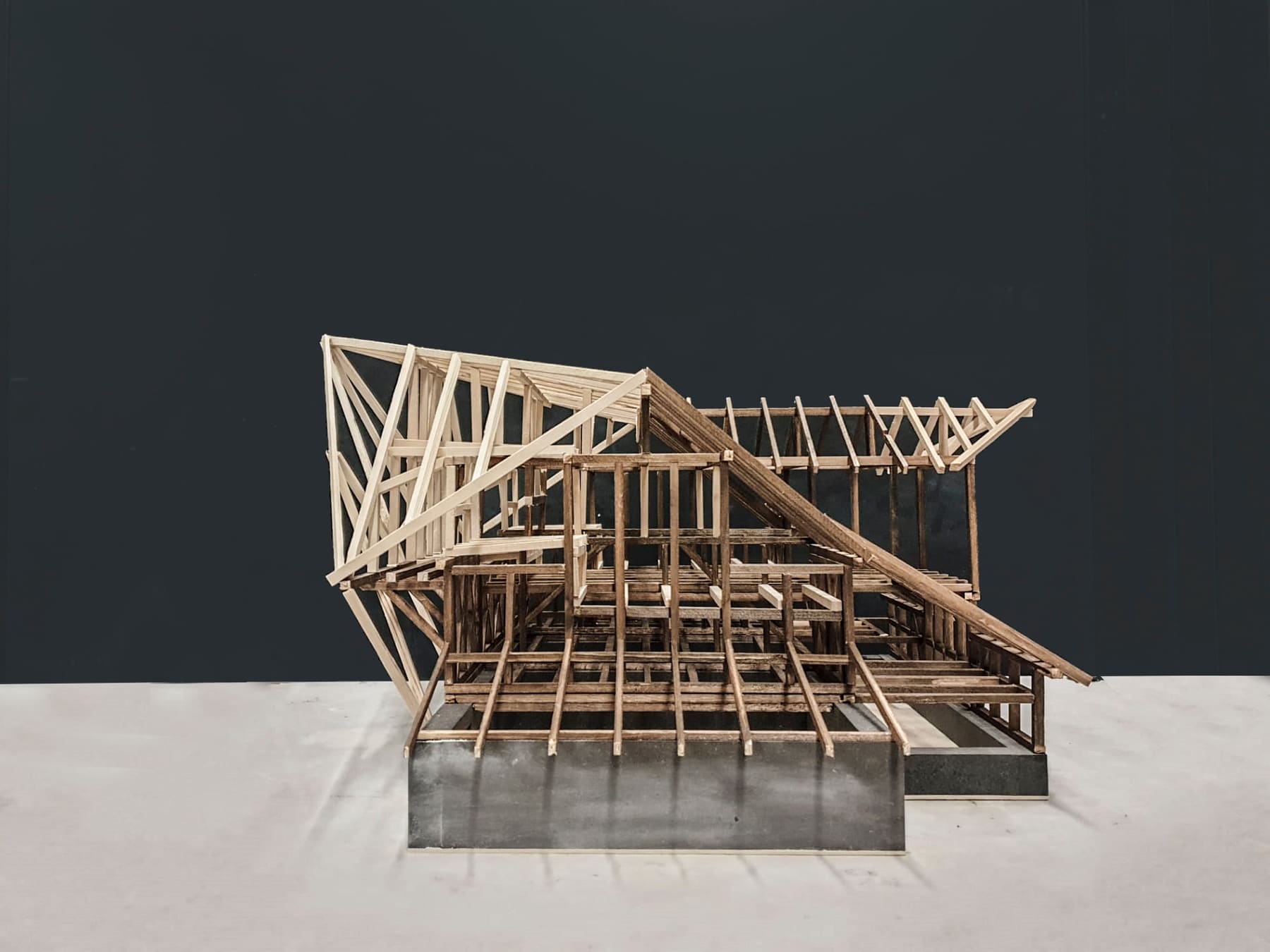
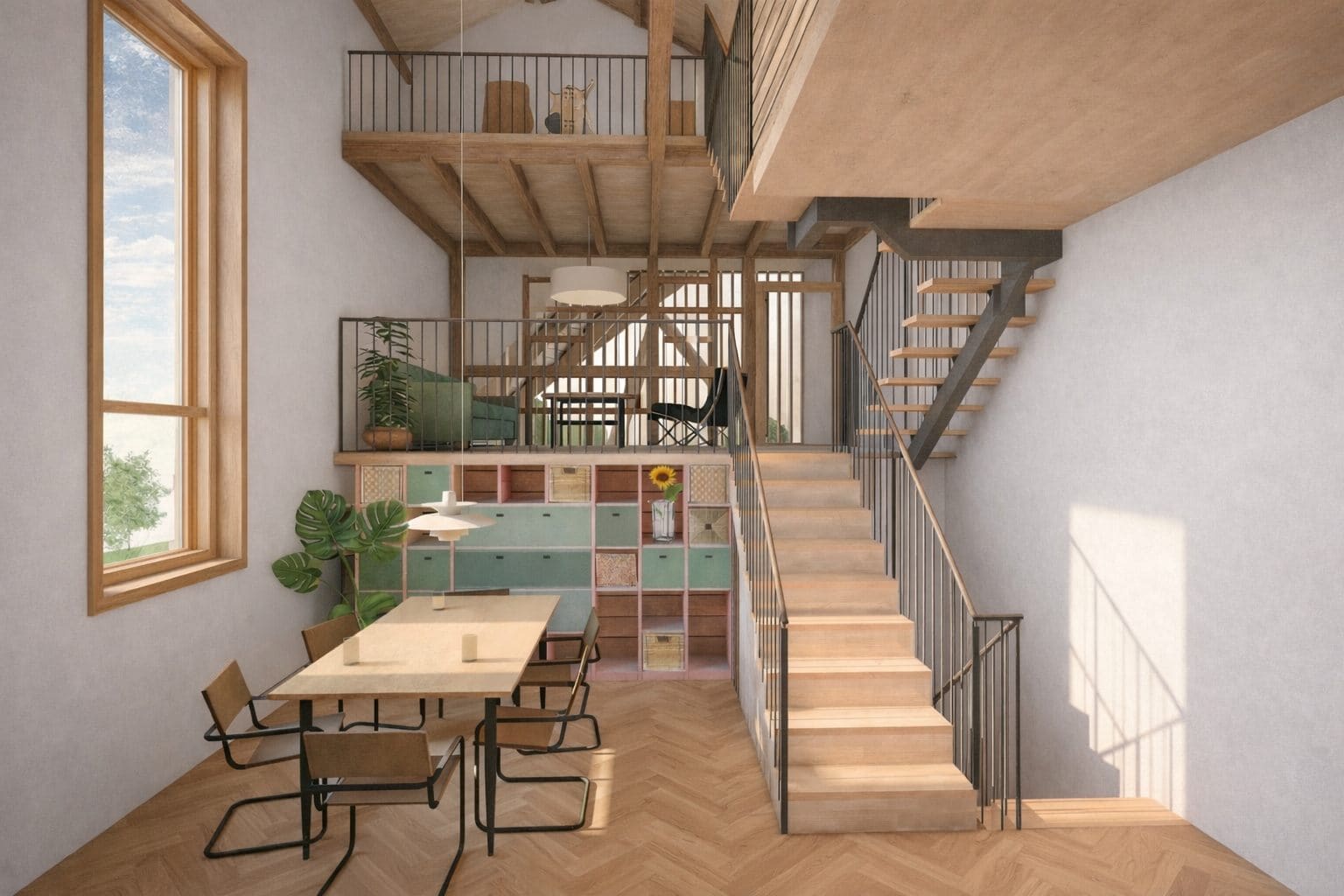
The best farmhouse conversions treat neither the old as a stage set nor the new as an embarrassment. Old beams may carry loads and stay visible. New interventions may be recognizably new: a clean staircase, a large window in the right place, calm new surfaces next to rough old fabric. What does not work is imitation — new timber dressed up as old loses both.
Frequently asked questions
Can I convert a barn into living space?
Inside the building zone: in principle yes, with a building permit for the change of use. Outside the building zone: only in narrow exceptions. The zoning question is the first one to clarify — before buying, not after.
Does a farmhouse have to be fully insulated?
No — it has to be insulated correctly. The roof and the basement ceiling bring the most, interior insulation takes real building-physics skill, and an exposed timber or half-timbered facade should not be wrapped up. Protected buildings are subject to adapted requirements anyway.
Is buying an old farmhouse worth it?
If fabric, zoning and budget line up: very much so. Having it checked before buying costs a few thousand francs and prevents the most expensive kind of surprise — the one after signing the deed.
Got your eye on a farmhouse?
I'll look at the fabric and your options before you decide — as a carpenter and architect. The first consultation is free and without obligation.