Guides · More space
Extending an existing house: planning and costs
Moving is expensive, the neighbourhood is right, you just need more space. An extension solves exactly this problem — if your plot and zoning play along.
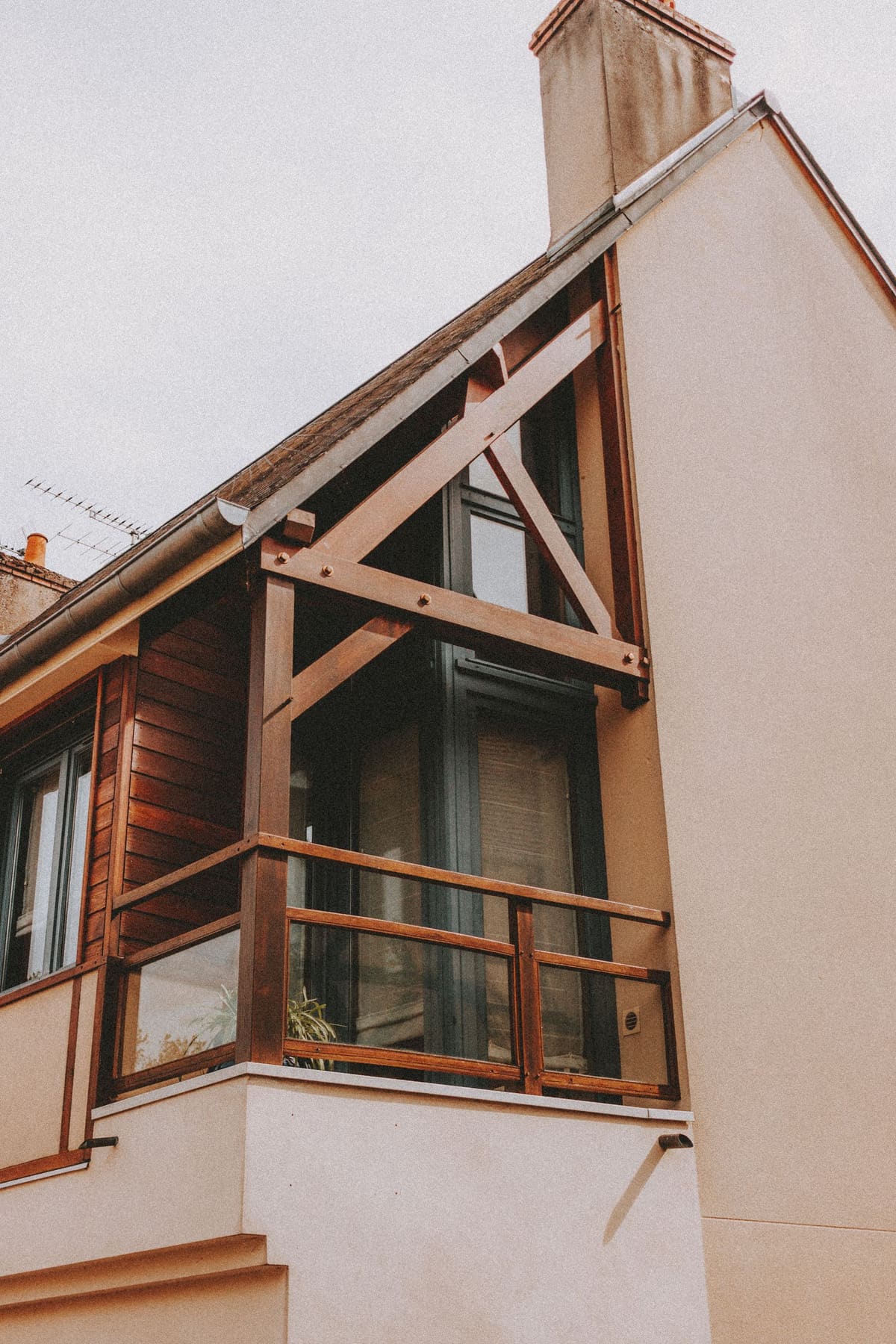
In this article I'll show you the types of extension, what they cost and which rules apply. And why the best extension is the one that makes the existing house better — not just bigger.
Which extension fits?

The side extension is the classic: an additional room or layer of rooms at ground level, often extending the kitchen and living area towards the garden. It needs space on the plot and distance to the boundary.
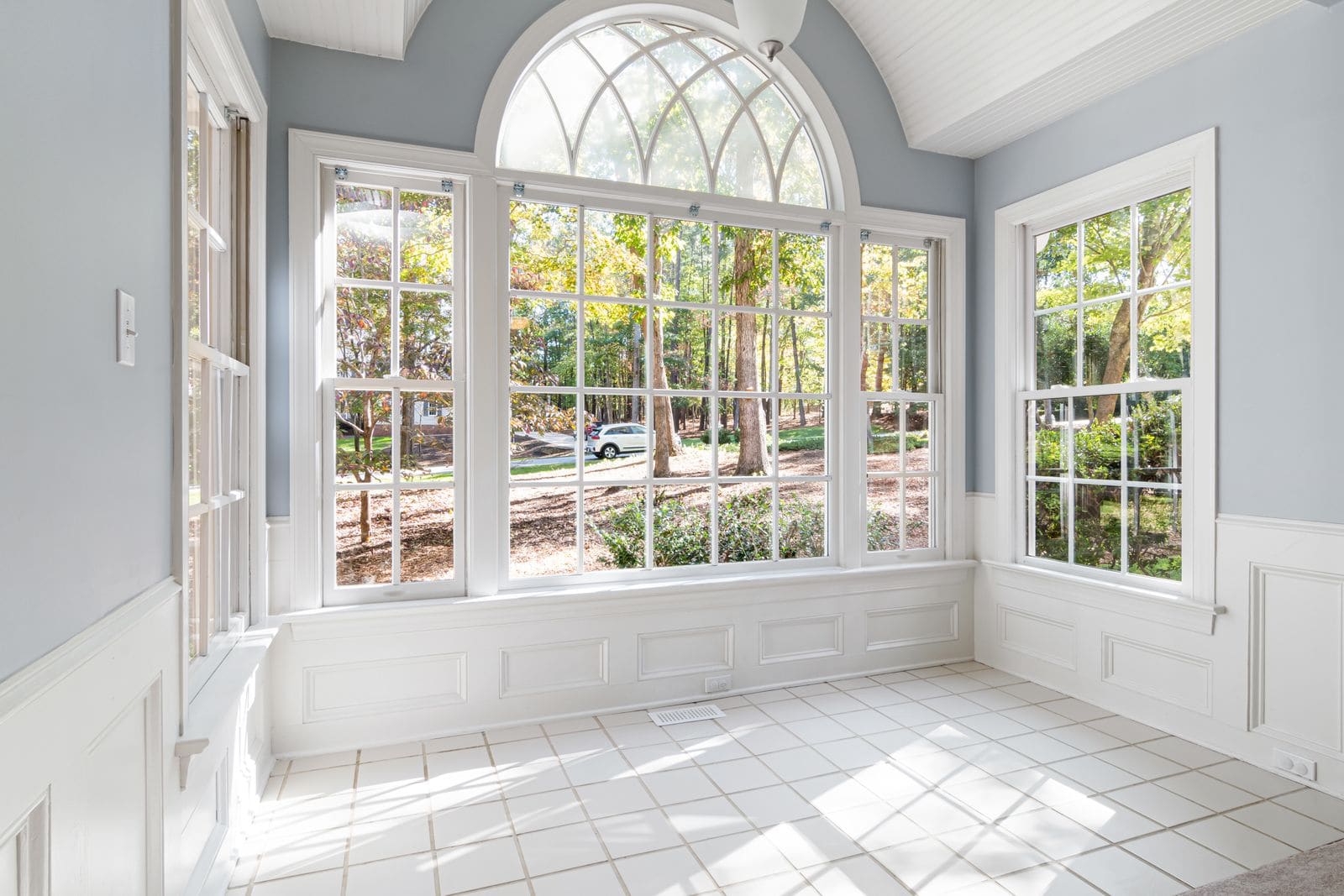
The conservatory is the lightest extension: lots of glass, lots of light, a direct connection to the garden. What it costs and what matters is covered in its own article Adding a conservatory.
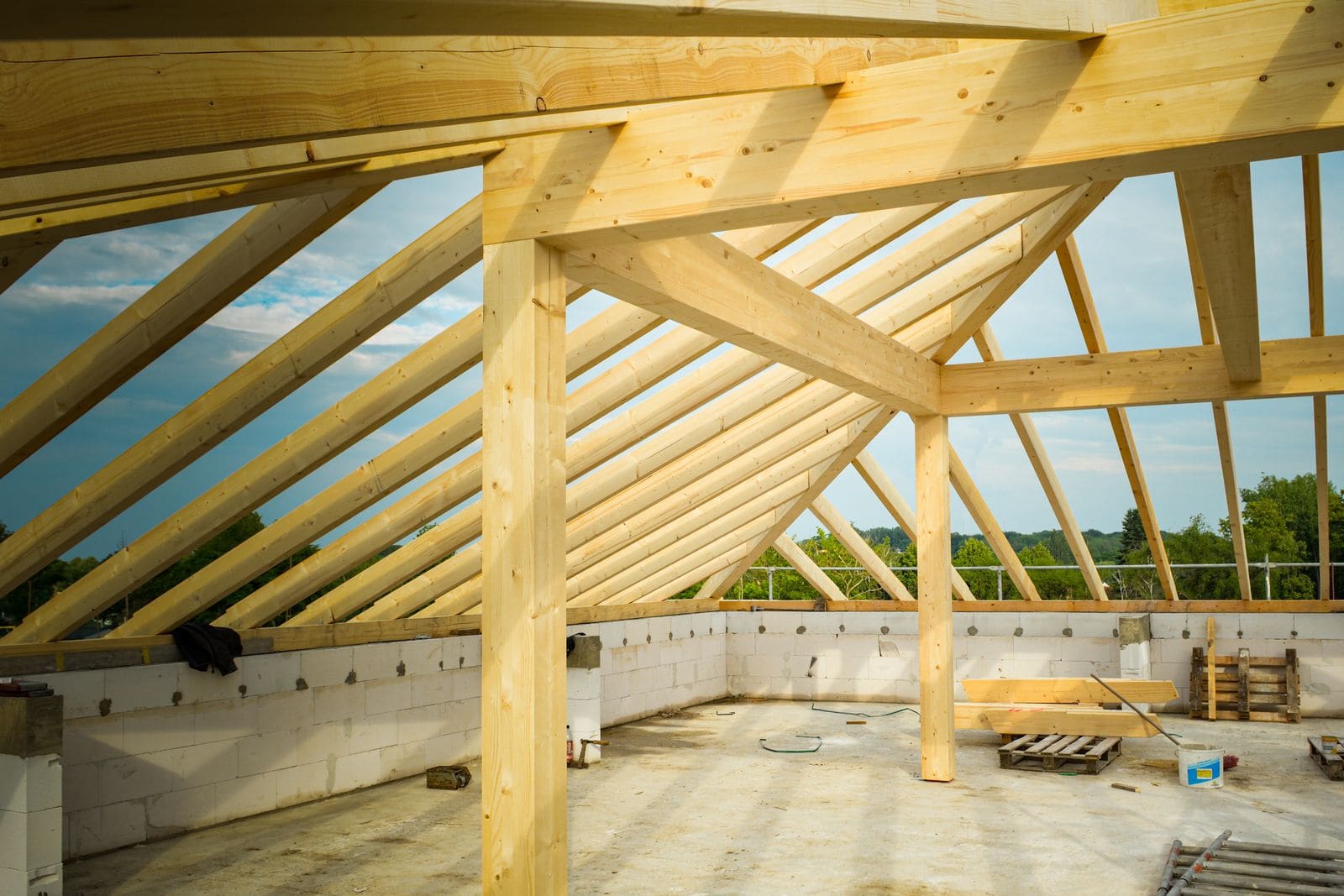
The vertical extension is the extension that goes up — the solution when land is scarce. There is a separate article on this: Adding a storey.
The rules: boundary distance and utilization
Two figures decide whether your extension is possible. The boundary distance (Grenzabstand): every zone specifies how close a building may come to the plot boundary — reduced distances sometimes apply to small structures, the full ones to living spaces. And the utilization ratio (Ausnützungsziffer): it limits how much floor area may be built on the plot in total. Many older houses have reserves here. Whether your plot still has room to spare is shown by a look at the building and zoning regulations — that is the first check, before the first sketch.
An extension always requires a building permit, through the ordinary procedure with profile poles (Aussteckung) and public notice. And because an extension affects your neighbours directly, this applies doubly here: talk to them before the profile poles go up. Details on the procedure in the article on building permits in the Canton of Zurich.
What does an extension cost?
As a rule of thumb for a heated, turnkey extension: CHF 2,500 to 4,500 per square metre. A 30 m² extension therefore lands between CHF 75,000 and 135,000. Add the costs at the junction: breaking through to the existing house, adjusting heating and electrics, possibly new floor levels. That interface is exactly what most quotes underestimate — and exactly where it is decided whether the extension feels like one more room or like an appendage.
Here too, timber construction has the edge: prefabricated elements, short construction time, a dry site. Your garden suffers for weeks instead of months.
The three most common mistakes
- Thinking of the extension in isolation. A good extension reorganizes the whole ground floor: light, circulation, connection to the garden. A bad one hangs a room off the hallway.
- Underestimating the interface. Breakthrough, structure, building services, connections to roof and facade — this is where the surprises hide, not in the new part.
- Getting too specific too early. If you go to the municipality with a finished dream design, you will plan twice. First clarify your room for manoeuvre, then design.
Frequently asked questions
How long does an extension take?
From first sketch to moving in, usually 9 to 15 months — of which two to four months for the permit and three to five months of construction. Prefabricated in timber, the construction phase goes faster.
Can I live in the house while the extension is built?
Usually yes. The extension is built outside, and the breakthrough comes late in the construction sequence. The dusty phase lasts days, not months.
Extension or conservatory — which is cheaper?
An unheated conservatory is much cheaper, but it is not year-round living space. A heated conservatory is close to an extension in price. What matters is what the room needs to do — not what it is called.
Is your house missing a room?
I'll clarify boundary distance, utilization and cost range for your extension — before you commit. The first consultation is free and without obligation.