Guides · More space
Adding a conservatory: what it costs in Switzerland
A room made of light: a conservatory (Wintergarten) stretches summer and brings the winter sun into your home. But for it to actually do that, the right questions have to come first — not the catalogue.
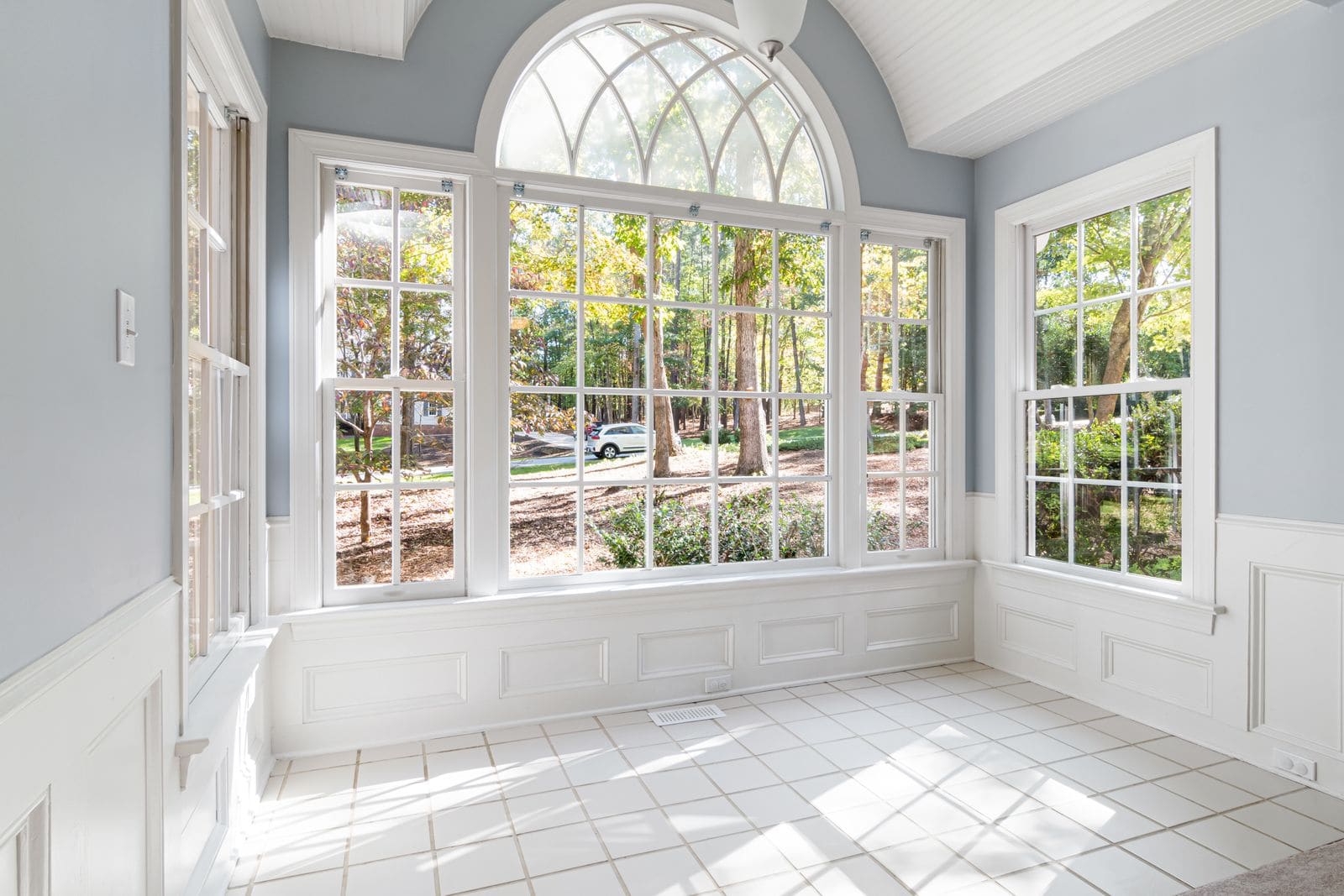
In this article I walk you through the costs with honest ranges, the difference between cold and heated, and why shading and ventilation decide whether you love the space or regret it. With one focus that is part of my signature: timber.
Cold or heated: the fundamental question

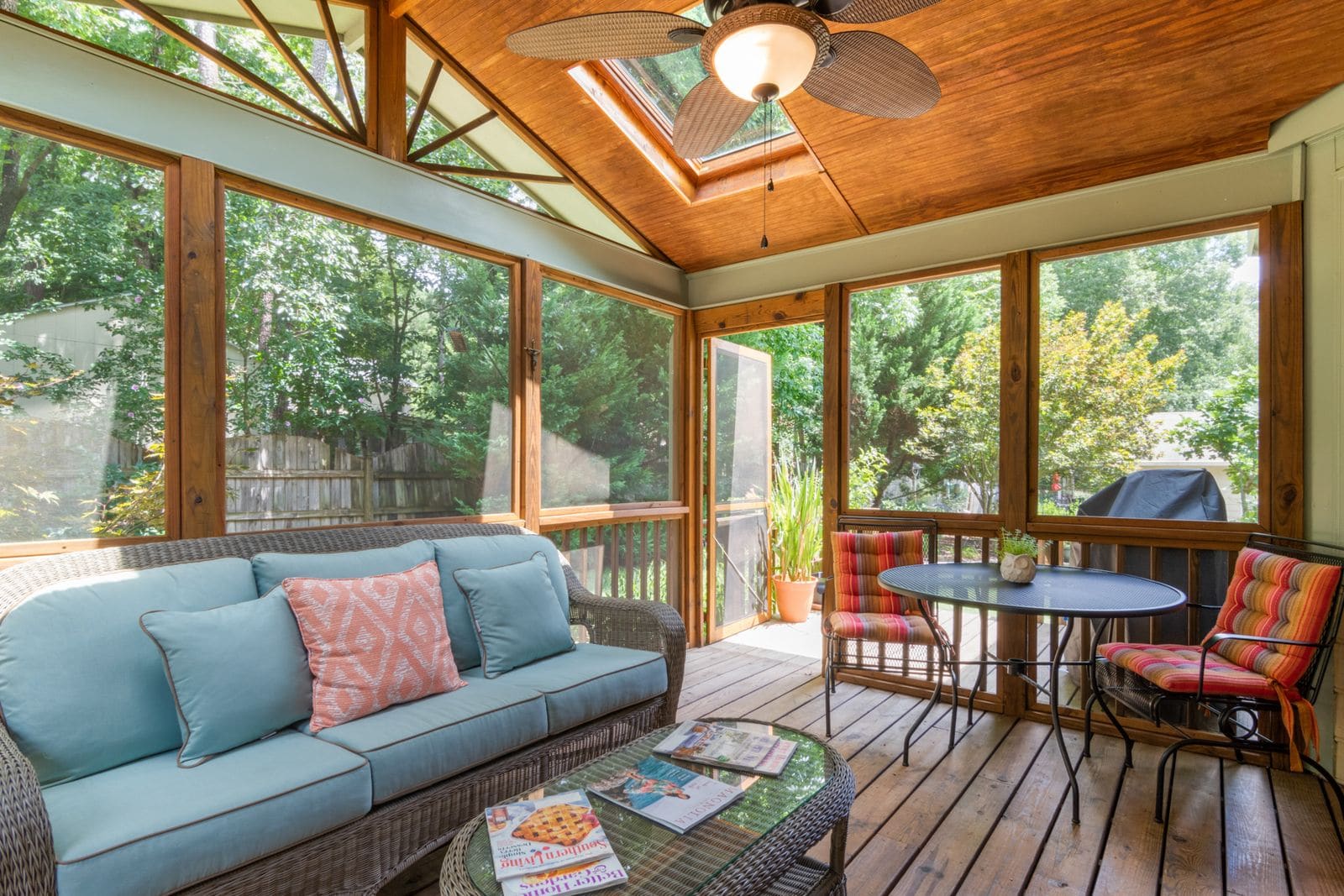
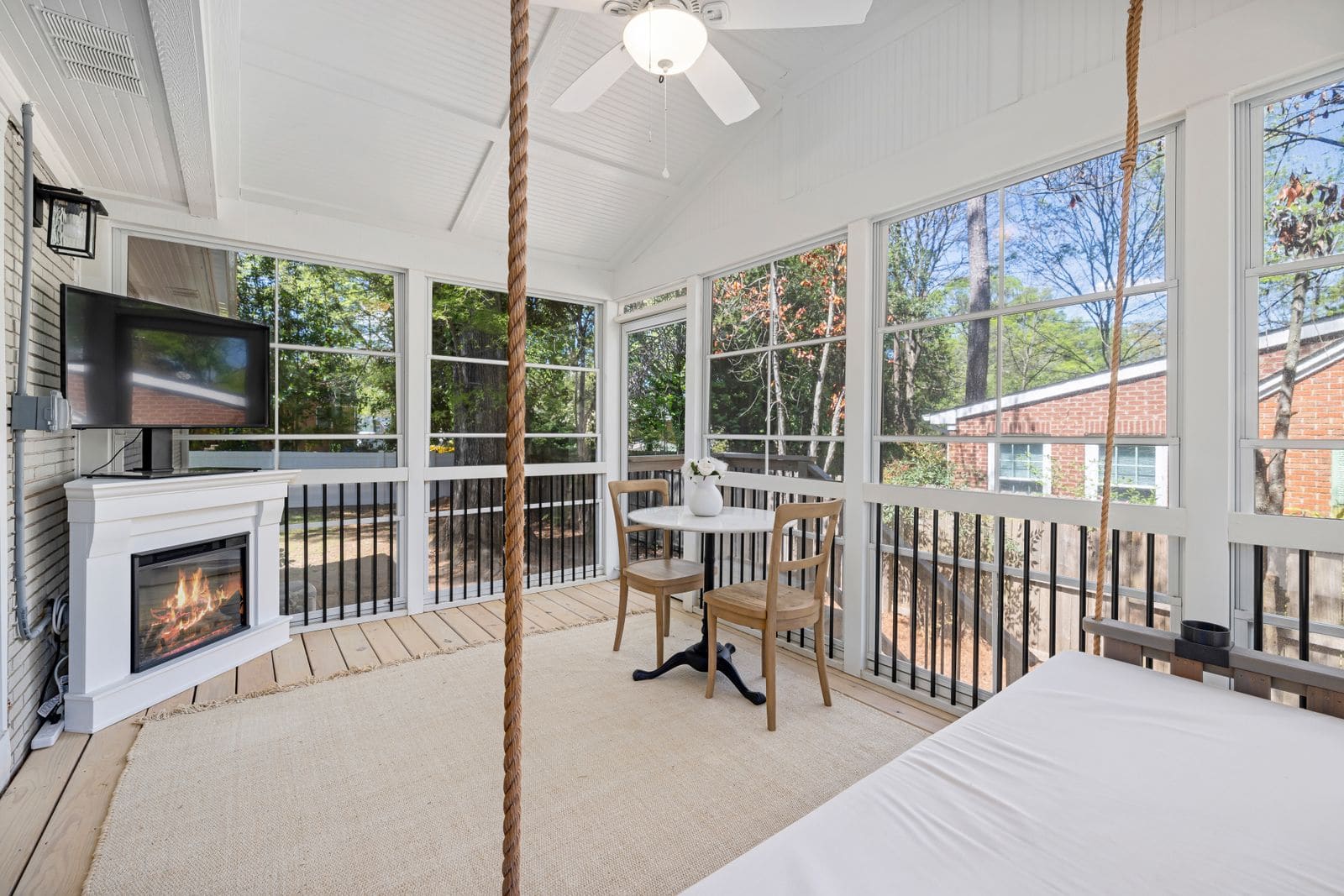
The unheated conservatory (Kaltwintergarten) is a glazed outdoor room: no heating, single glazing, usable from spring to autumn and on sunny winter days. It is much cheaper, does not count as living space — so it does not eat into your plot's floor-area allowance — and it acts as a climate buffer that warms the facade behind it.
The heated conservatory (Wohnwintergarten) is a fully fledged room made of glass: heated, insulating glazing, liveable all year round. In return, the same energy regulations apply as for any living space, it counts against your floor-area allowance, and shading plus ventilation are mandatory, not optional.
What does a conservatory cost?
| Type | Use | Guide price, installed |
|---|---|---|
| Unheated conservatory | Spring to autumn | CHF 15,000 to 40,000 |
| Heated conservatory | All year round | CHF 40,000 to 100,000 |
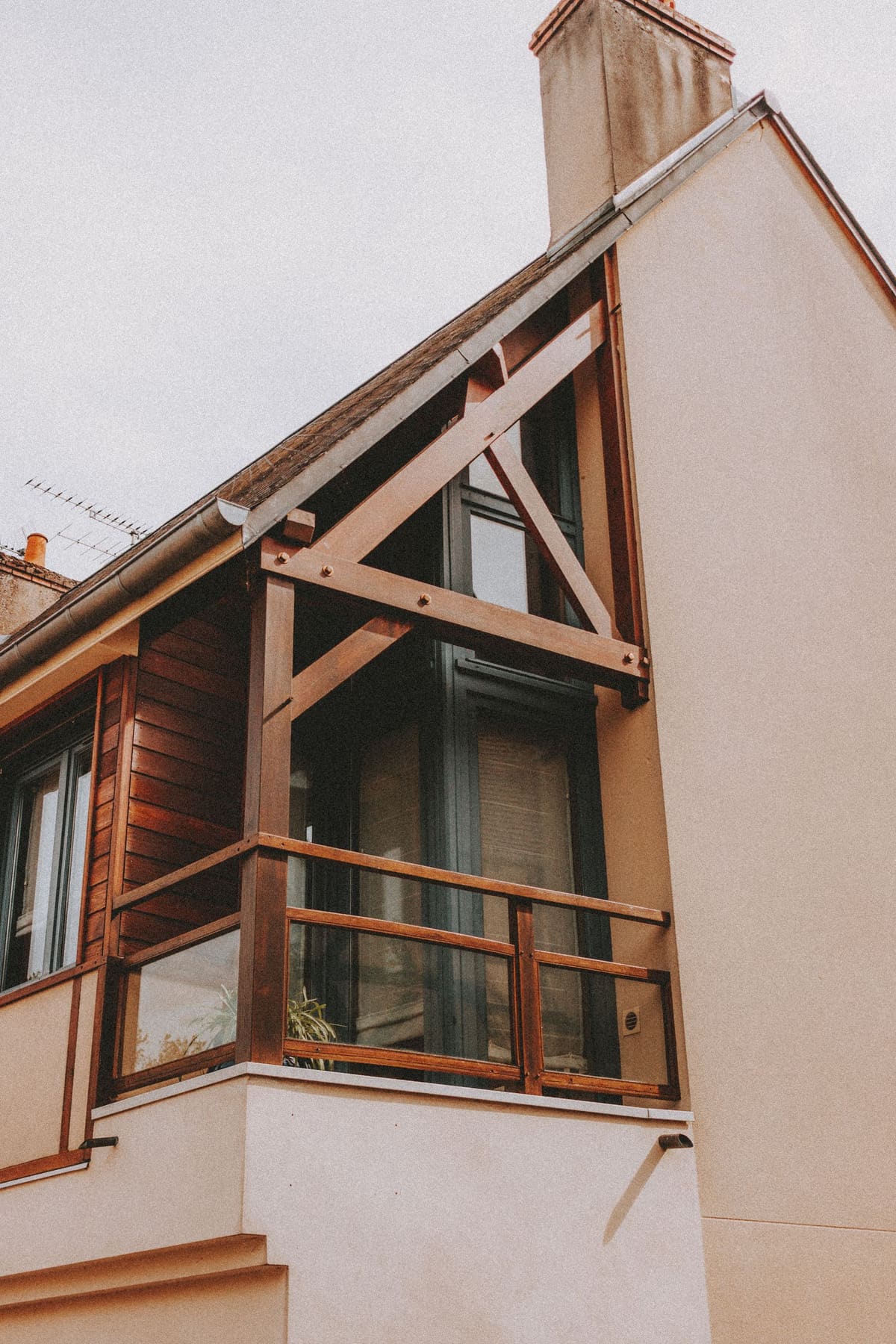
Depending on your situation, add: foundations or an insulated floor slab, shading (CHF 3,000 to 15,000), heating, electrics and the connection to the house. The material deserves a second look: timber-aluminium structures cost more than pure aluminium systems, but they age more gracefully and suit a house with character. Pure plastic systems are the cheapest — and look it.
We build timber conservatories not from a catalogue but made to measure, as a carpentry business in Zurich — designed by the architect in the same house.
Shading and ventilation: non-negotiable
A south-facing glass room without shading reaches summer temperatures no plant or person wants to endure. That is why both belong in the project from day one, not as a retrofit: external shading that intercepts the sun before it gets through the glass, and ventilation openings at the top and bottom so warm air escapes on its own. Cut corners here and you have bought a room for two seasons.
Building permit and orientation
A conservatory is an extension and usually needs a building permit (Baubewilligung) — even the unheated kind. Boundary distances apply, and in protected core zones the design review board has a say. The process is manageable if the application is done properly: details in the article on building permits in the Canton of Zurich.
On orientation: south gives you the most sun and needs the most shading. West brings evening sun and summer heat. East is the morning room. And north is the underrated classic for workspaces — even light, never too hot.
Frequently asked questions
How long does construction take?
The installation itself often takes just one to two weeks. With planning, the permit and foundation work, expect four to eight months in total.
Can I heat an unheated conservatory later?
Technically to some extent, legally not just like that: the outdoor room becomes living space, with all the consequences for energy compliance and your floor-area allowance. Better to decide honestly at the start what the room needs to do.
Conservatory or an insulated extension with large windows?
From a certain budget upwards, an insulated extension with floor-to-ceiling glazing is the more mature answer: a real room with lots of glass instead of a glass room with climate compromises. The comparison is worth making — see extending an existing house.
Dreaming of a room made of light?
I design your conservatory as part of the house — orientation, climate, materials, permit. The first consultation is free and without obligation.