Guides · More space
Converting your basement: hobby room, office or guest room
Under most houses, half a storey lies unused. Converting the basement is the cheapest route to more space — if you take the physics down there seriously.
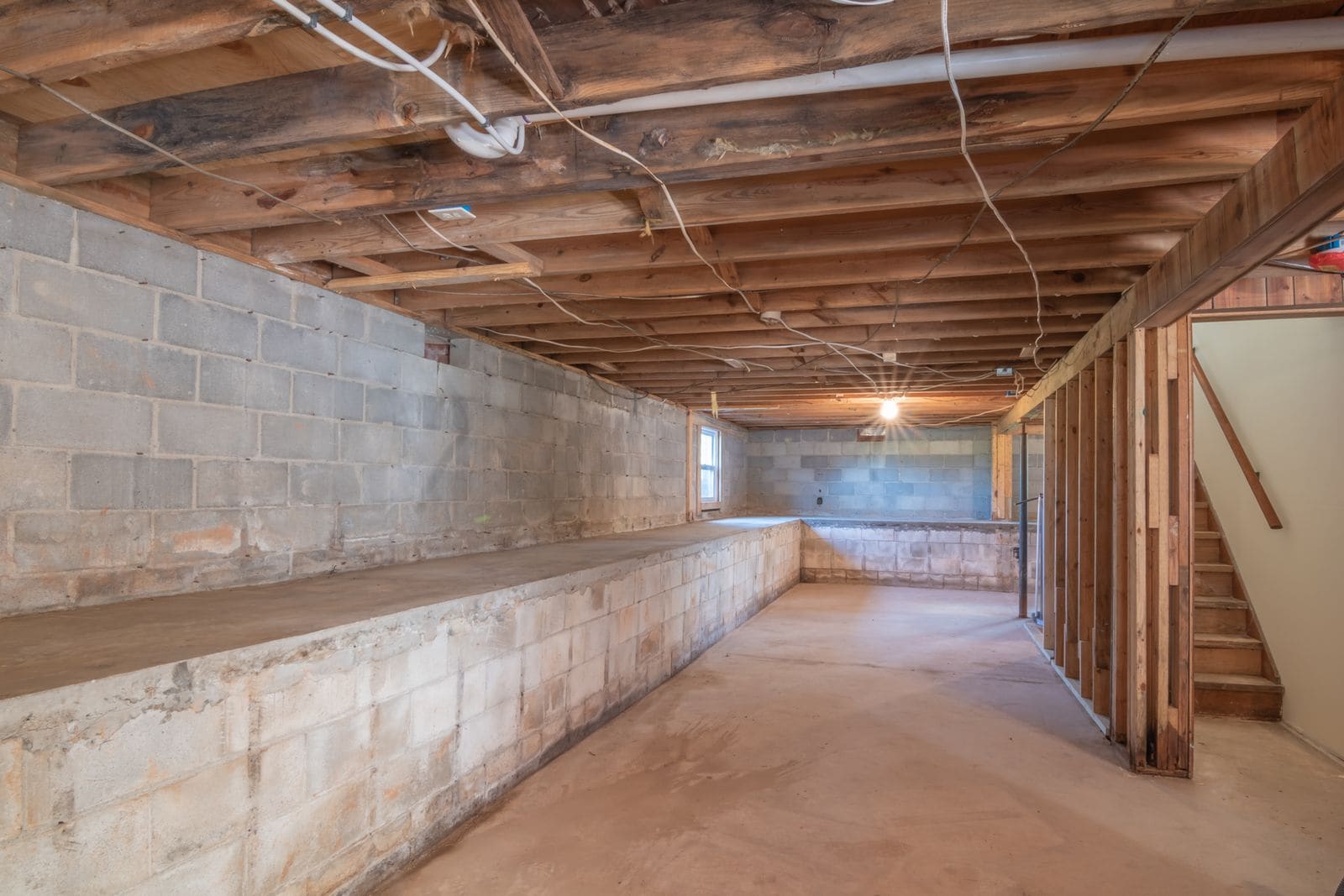
First the physics: moisture
Every basement conversion starts with the same test: is the basement dry — properly dry, even in spring, even after heavy rain? Damp walls cannot be cured with cladding; behind it, mould blooms unseen. Rising damp, groundwater pressure and simple condensation each need different solutions, from external waterproofing to controlled ventilation. Only once this question is answered is any further franc well spent.
Basements in Zurich houses
Anyone living near the lake, the Limmat or the Sihl often has a high water table under the house. You do not always notice before opening up the floor. Before planning anything in a basement, a moisture measurement belongs at the start, not the end. A dry basement in August says nothing about March.
The second point is light. A new or larger light well is an intervention in the facade and therefore usually needs a permit. On top of that, as soon as a basement room counts as living space it can be counted towards the chargeable floor area. Whether your plot still allows that is set out in your municipality's zoning rules. You clarify that before the design.
What is your basement allowed to become?
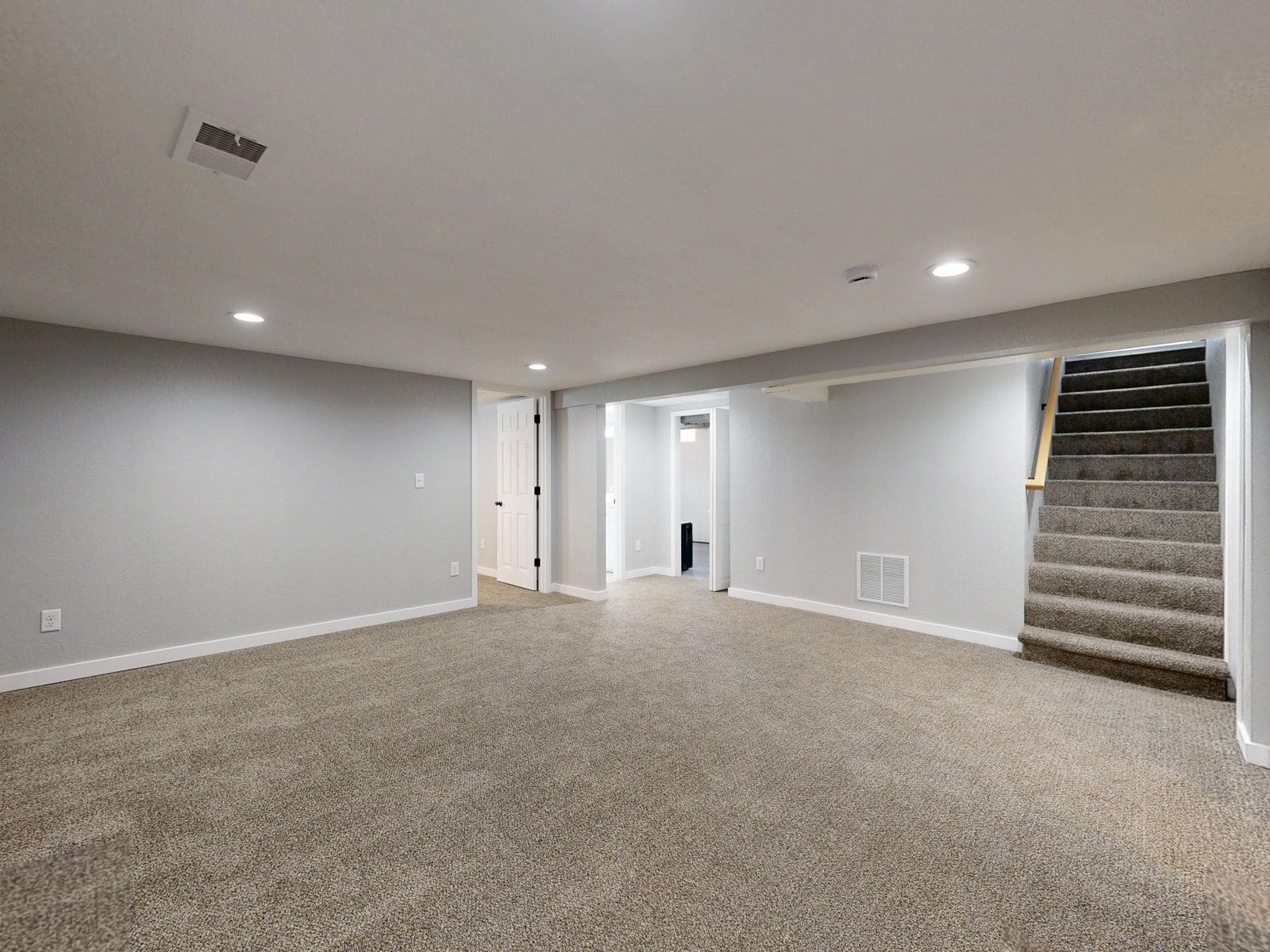
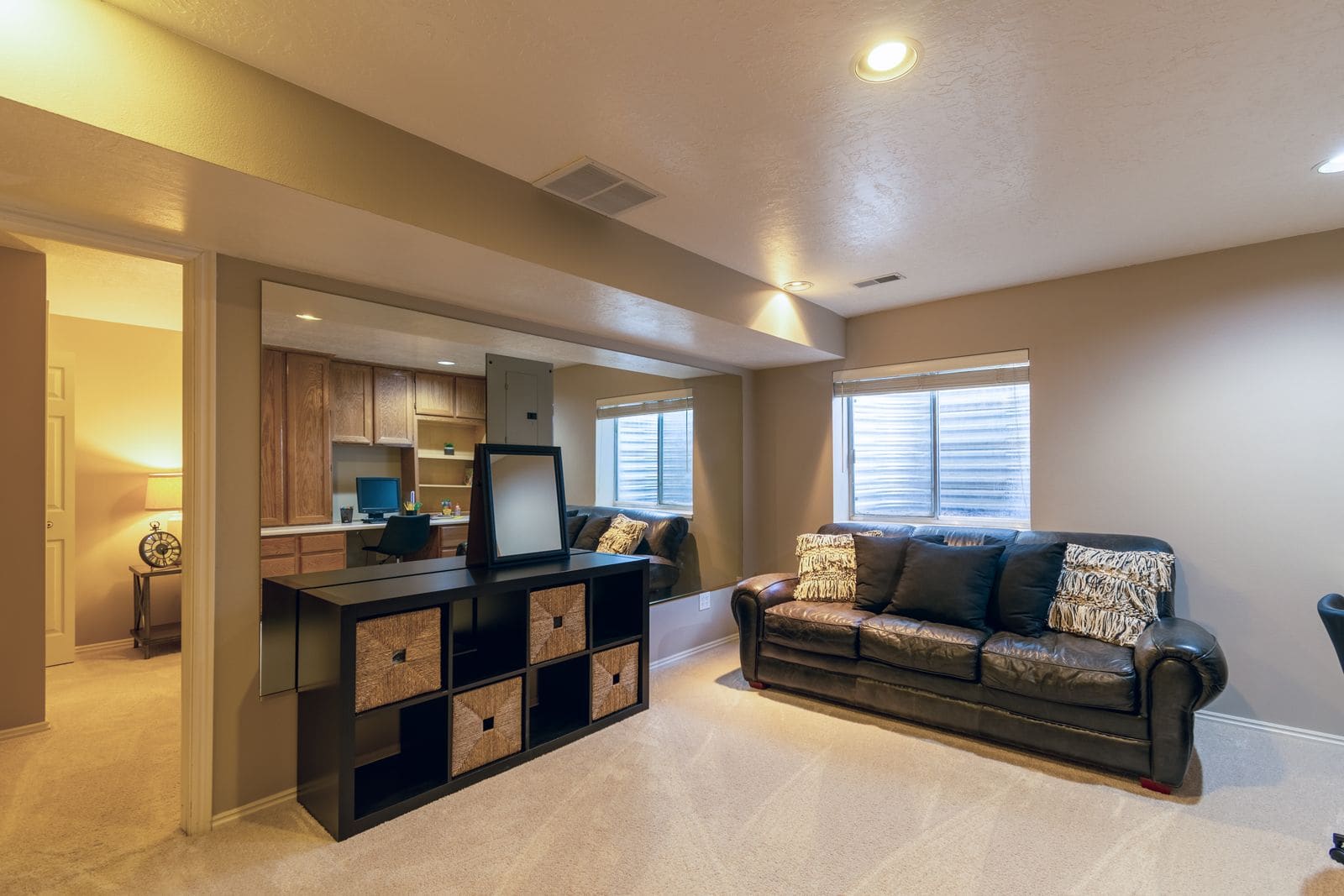
For a hobby room, workshop, gym or wine cellar, there are hardly any hurdles — that is ancillary space, and the fit-out usually needs no permit as long as nothing changes on the outside. For living space — a guest room, an office you actually work in, a granny-flat room — building regulations set requirements for ceiling height, daylight and ventilation. A room with no window at all legally remains a hobby room, however lovely it turns out. Larger light wells or excavated window openings solve this, but they alter the terrain and therefore need a building permit. The change of use to living space needs one anyway — just like the attic, only one floor down.

What does a basement conversion cost?
| Scope | Guide price per m² |
|---|---|
| Basic fit-out (hobby room: floor, walls, electrics) | CHF 500 to 1,000 |
| Habitable fit-out (insulation, heating, finishes) | CHF 1,000 to 2,000 |
| With excavation, new windows or a bathroom | CHF 2,000 and up |
Insulation belongs on the walls and floor even if the room only becomes a hobby room — otherwise it stays the room nobody spends more than twenty minutes in. And insulating the basement ceiling pays off even without any conversion: it is one of the most effective energy measures in the whole house.
The three most common mistakes
- Cladding instead of drying. A stud wall in front of a damp wall is a mould habitat on a timer.
- Skimping on light. A basement room lives on lighting design: bright surfaces, several light sources, real daylight wherever possible.
- Forgetting ventilation. Where people breathe and walls are cool, water condenses. Without a ventilation concept, the basement takes its moisture back.
Frequently asked questions
Does a converted basement count as living space?
Only if it meets the requirements for habitable rooms. It still counts for the sale price though: a beautiful hobby room helps sell the house — it just must not be advertised as a bedroom.
Can I put a bathroom or laundry room in the basement?
Yes, if the sewer runs lower or a lifting pump is planned in. The lifting pump is proven technology, but it needs maintenance — plan for it, don't ignore it.
Is a basement conversion worth it compared to the attic or an extension?
Per franc, the basement delivers the most floor area, but the least valuable kind: no daylight, no view. Unbeatable as a supplementary room, second choice as a substitute for living space — see converting your attic.
What lies beneath your house?
I check the moisture, ceiling height and potential of your basement — and tell you honestly what it can become. The first consultation is free and without obligation.