Guides · Interior Fit-Out
Renovating a Wooden Staircase: Refresh Instead of Replace
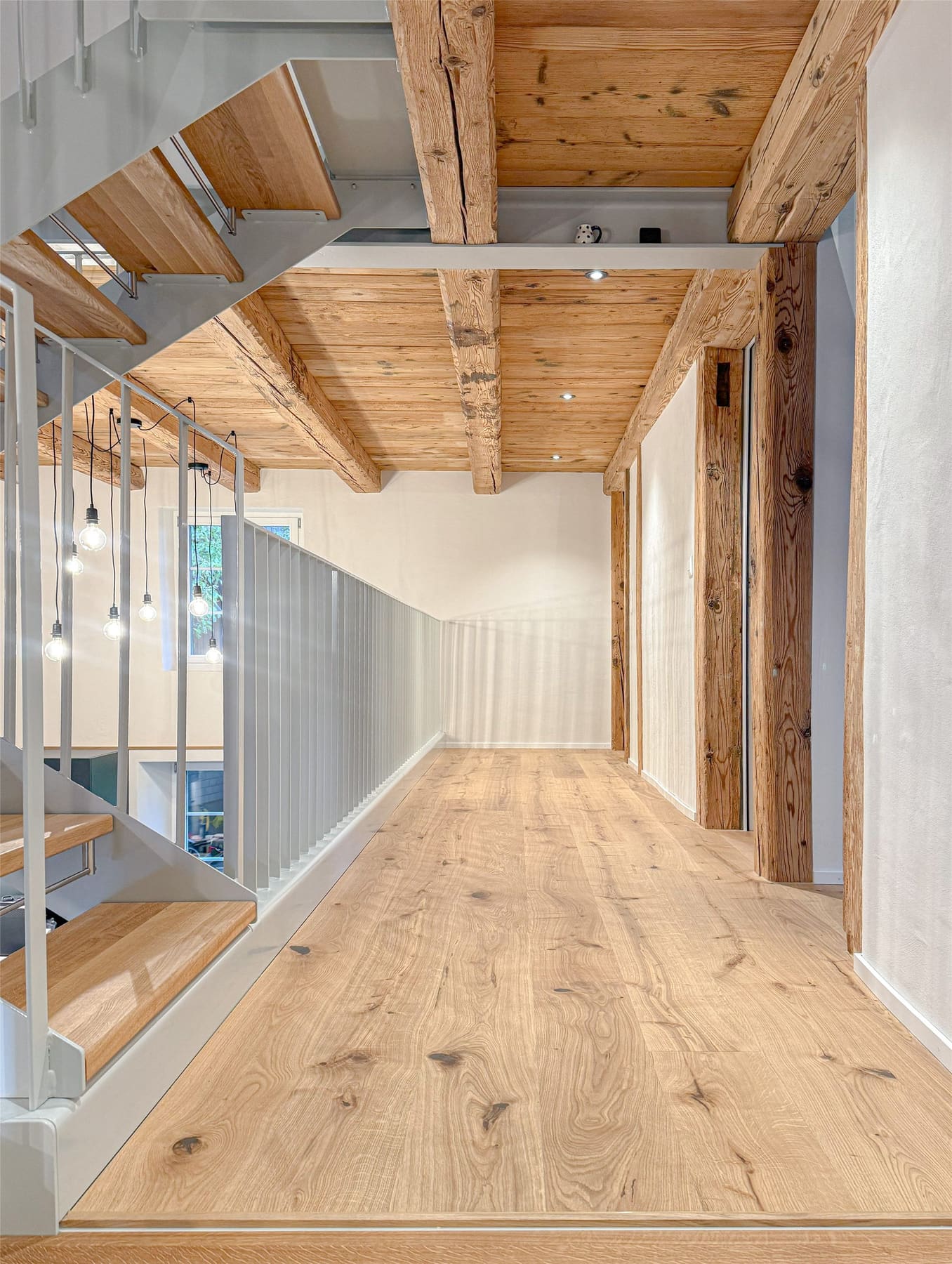
A wooden staircase takes millions of footsteps in its lifetime — of course it shows. The good news: refreshing is almost always the better answer than replacing.
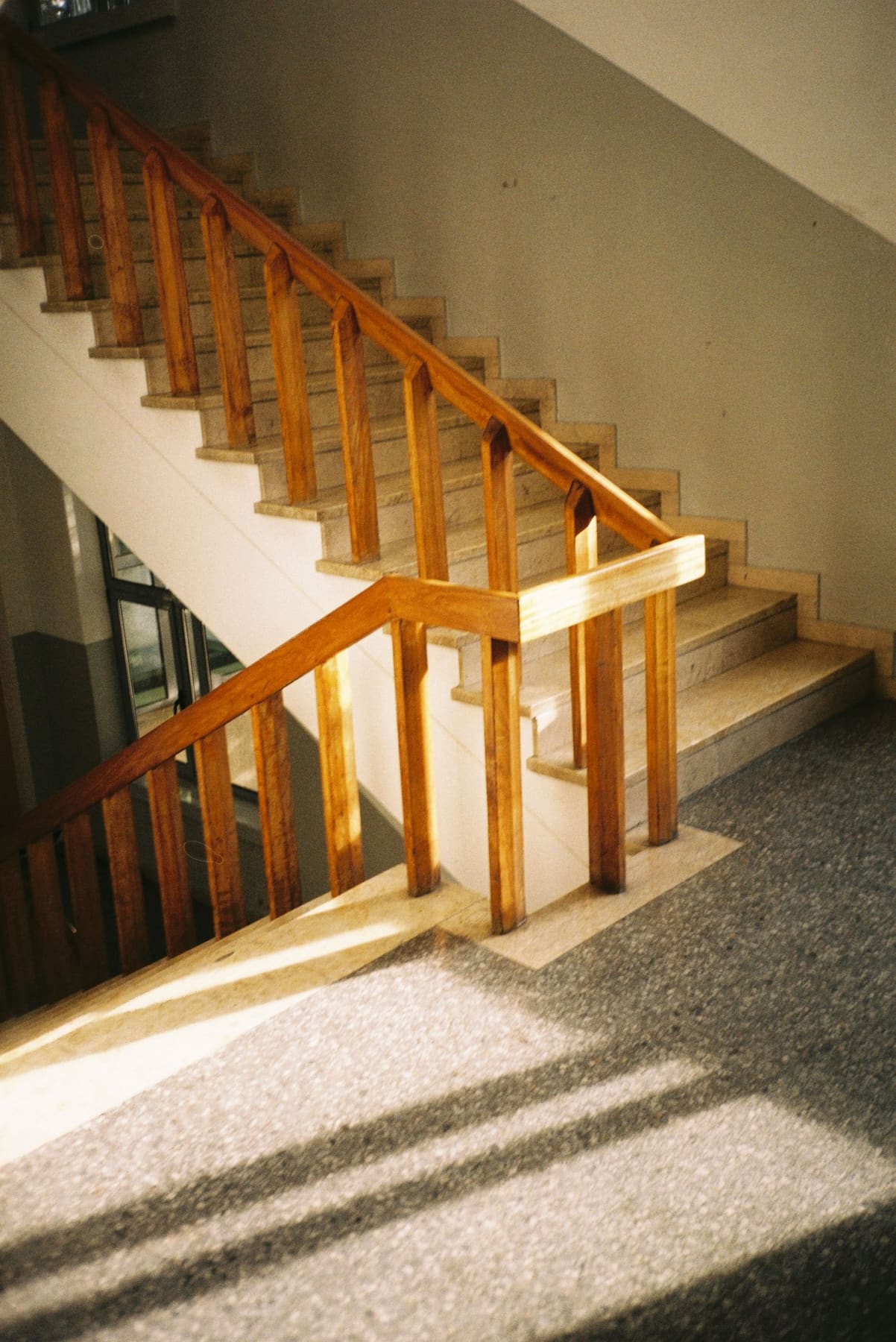
As a carpenter I will say it plainly: old staircases are often better built than new ones. Solid wood, clean joinery, proportions that belong to the house. Before a staircase like that gets thrown out, it deserves an honest diagnosis.
Staircases in old Swiss houses
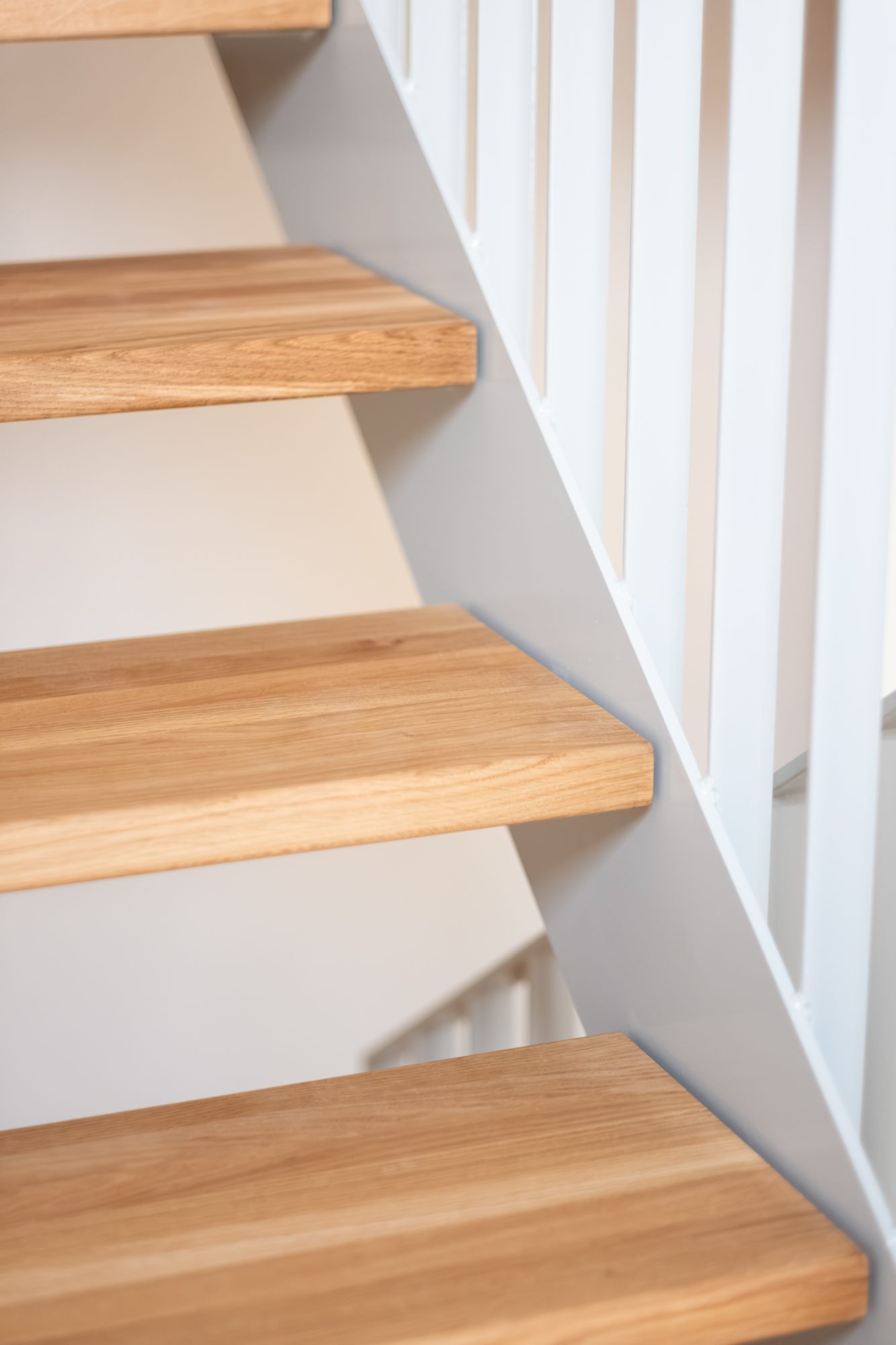
In old Swiss houses you mostly find spruce or fir, in better houses oak or beech. Spruce is soft. It picks up wear but sands and oils well. Oak takes more punishment but tolerates fewer sanding passes, because the treads are thinner than people assume.
Old staircases are often steeper than today's rules allow. As long as you only refresh them, that is no problem. Replace the staircase and you have to meet current dimensions, and suddenly you need more floor area. That is the most common reason a replacement turns back into a renovation. In and around Zurich I am happy to look at it on site; the condition of treads is hard to judge from photos.
The three levels of staircase renovation
Refresh (CHF 2,000 to 5,000). Sanding, repairs, oiling or sealing, tightening the balustrade. In three to five days the grey, worn-down staircase becomes a piece of furniture again. This is the right level for nine out of ten staircases.
Partial replacement (CHF 5,000 to 12,000). Replacing individual worn-through treads, new treads on the old structure, a new balustrade or a new handrail. The structure stays, the face is renewed.
New staircase (CHF 10,000 to 30,000 and more). Justified when the structure is at the end of its life, the pitch is dangerous or the floor plan is changing. A new staircase is a design task — few building elements shape a house as much.
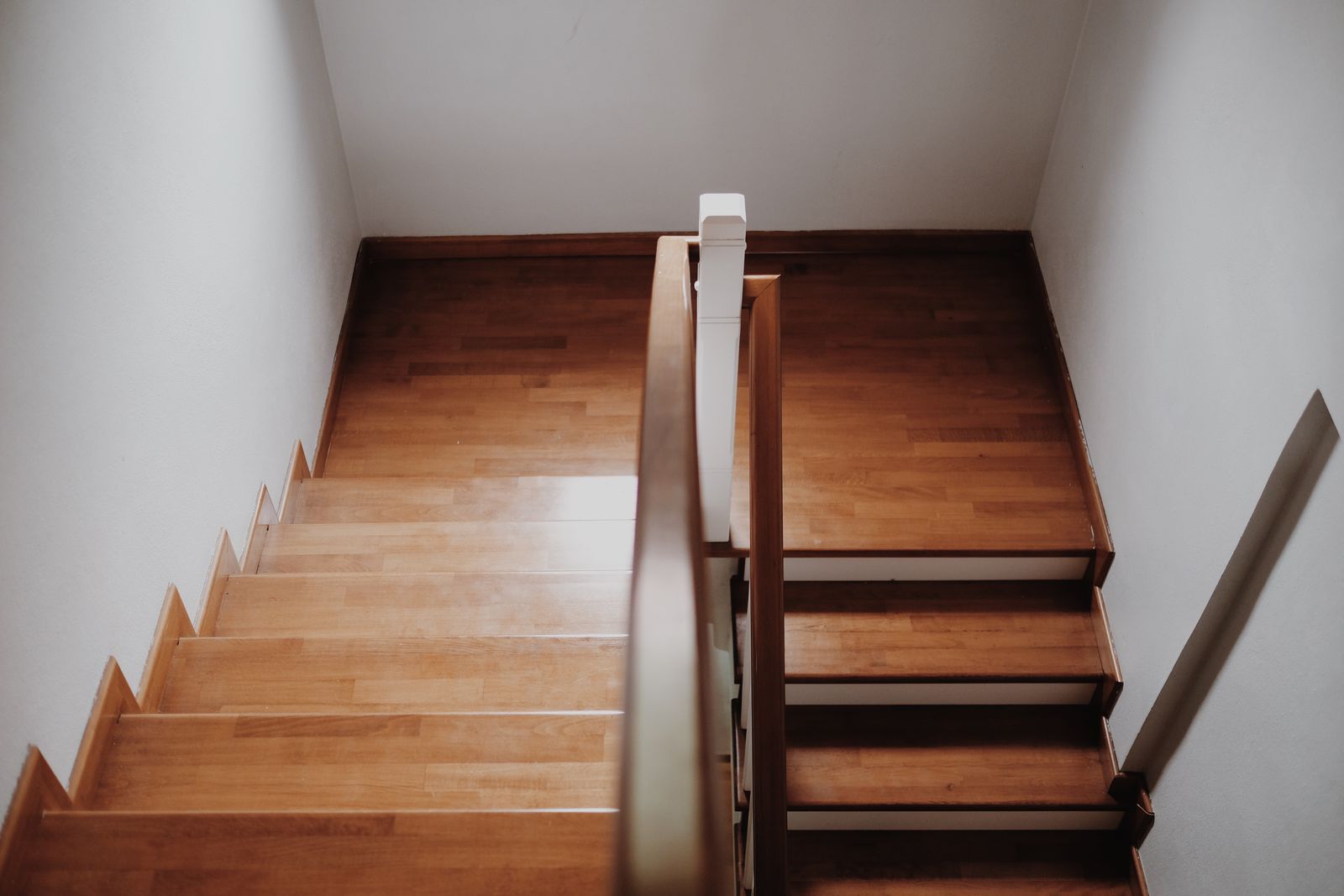
Creaking: is that just part of it?
No — creaking means joints have worked loose: tread against riser, step against stringer. Wedging, screwing or gluing from below brings quiet in most cases. Deal with the creaking as part of the refresh and the staircase is set for the next twenty years.
Oil or lacquer, light or dark?

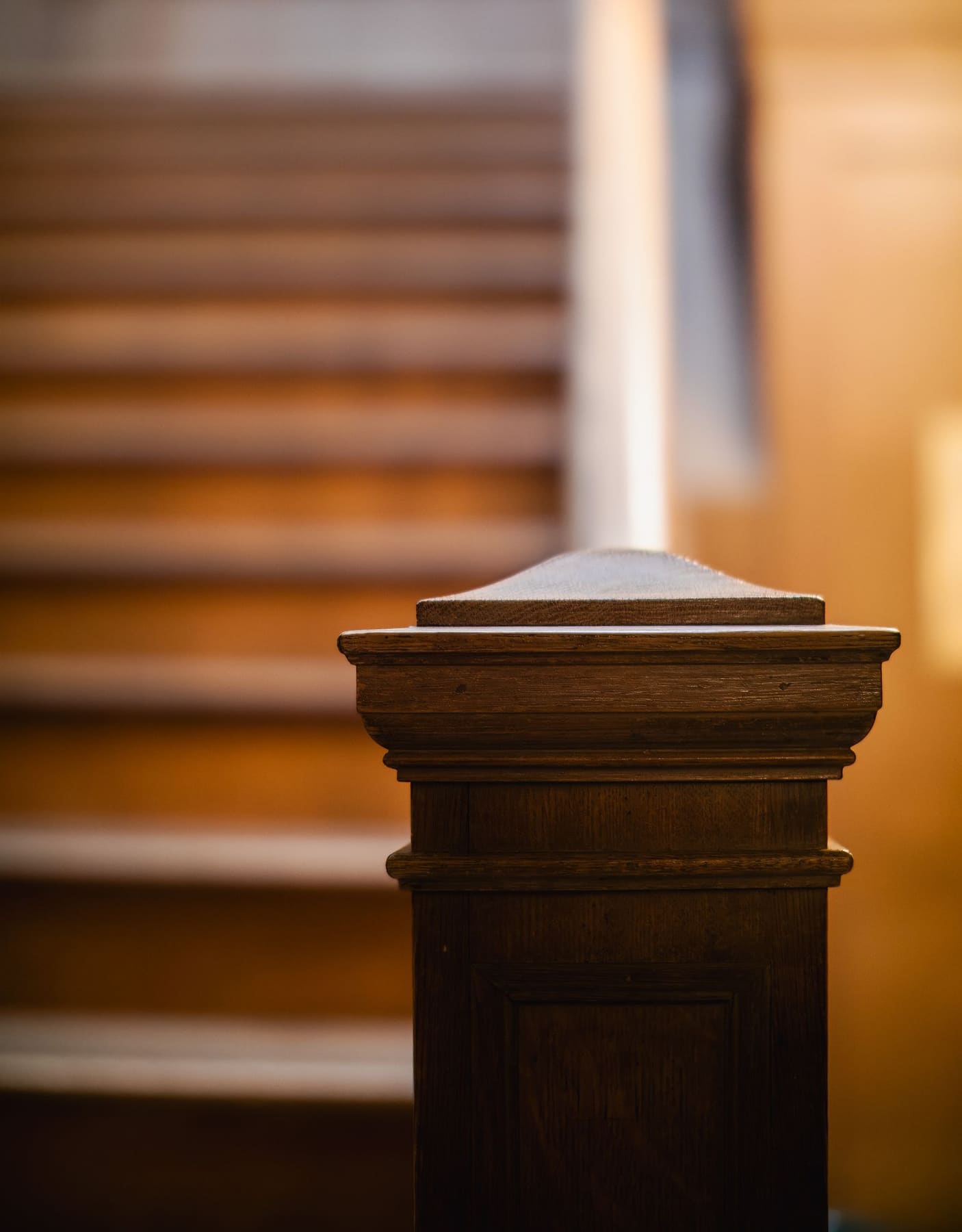
On staircases I recommend hard-wearing oil or hardwax systems: they let you refresh the walking surface in patches without re-sanding the whole staircase. For the colour, the rule from Interior fit-out with wood applies: match the floor, don't compete with it. And if you want to get rid of that dark seventies stain: underneath it, light, beautiful wood is almost always waiting.
Safety on the side
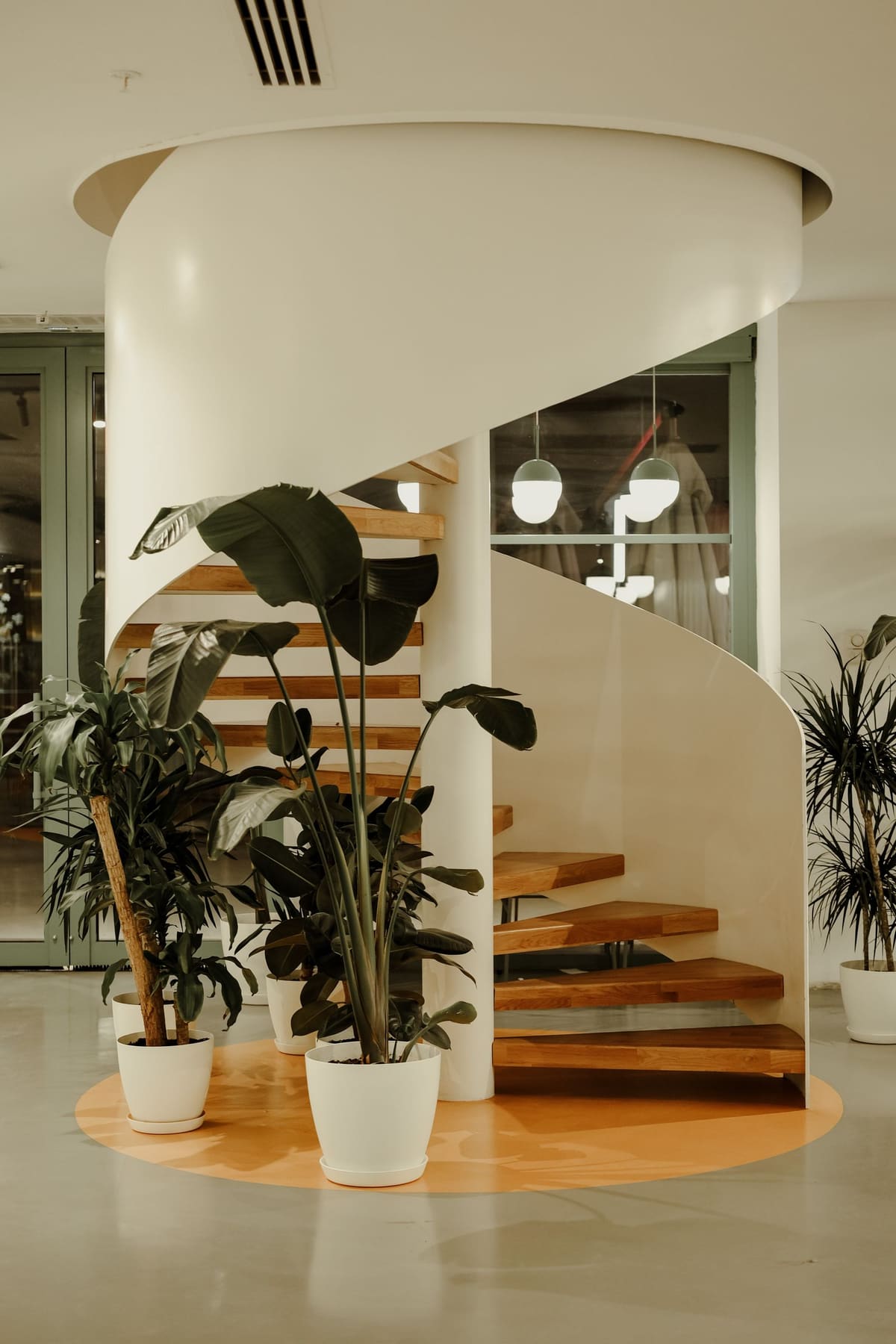
The renovation is the moment to pick up safety for free: a slip-resistant finish on the front edge, a handrail you can actually grip, child protection on the balustrade, light at the top and bottom of the flight. Small items in the quote, big effect in everyday life.
Frequently asked questions
How long is the staircase out of use during the renovation?
For sanding and oiling: closed during the day, walkable in the evening — in socks and with care. The final coat of oil needs a weekend to rest. You are rarely without a staircase for more than a day.
Can you clad a staircase instead of sanding it?
There are systems that put new treads on the old structure — sensible when treads are badly damaged. I advise against plastic overlays: they take away exactly what makes the staircase valuable.
My staircase is steep and narrow — will renovating help?
Cosmetics don't change geometry. If the pitch is dangerous, a partial replacement with a new walking line or a new staircase is the honest answer — and that becomes a planning task, not a paint job.
Your staircase deserves better?
One look and I will tell you which of the three levels your staircase needs — from a carpenter, not a salesman. The first consultation is free and without obligation.